

Gallbladder stones are small, hardened deposits that develop inside the gallbladder due to changes in bile composition. The gallbladder stores bile, a digestive fluid produced by the liver that helps the body digest fats. When bile contains too much cholesterol or bilirubin, crystals can form and gradually become gallstones.
Some gallstones cause no symptoms, while others can trigger severe abdominal pain, bloating, nausea, indigestion, or recurrent gallstone attacks. If left untreated, gallstones may lead to inflammation, infection, or blockage of the bile ducts.
The most common type of gallstones, usually linked to excess cholesterol in bile.
Dark-coloured stones associated with increased bilirubin levels, liver disease, or blood disorders.
The gallbladder releases bile into the intestine after meals to help digest fatty foods. Gallstones can interrupt this normal digestive process and cause painful symptoms.
Gallstones may form when:
Risk factors include obesity, diabetes, pregnancy, ageing, rapid weight loss, and high-fat diets.
Persistent abdominal pain or frequent gallstone attacks should not be ignored. Learn when to seek expert care from a trusted hepatopancreatobiliary surgeon and understand the risks of untreated gallstones.
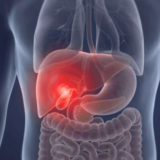
Pain in the upper right side of the abdomen is one of the most common symptoms of gallstones. It may feel sharp, cramping, or intense and can begin suddenly, particularly after eating.
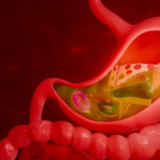
Many patients notice discomfort after consuming fried, oily, or heavy meals. This occurs because the gallbladder works harder during fat digestion, which may trigger pain if stones are present.

Gallstones can interfere with normal digestion, causing nausea, vomiting, or a constant feeling of fullness after meals.
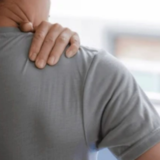
Gallbladder pain may spread to the upper back or right shoulder blade. Because of this, gallstones are sometimes mistaken for acidity, muscular pain, or gastric problems.
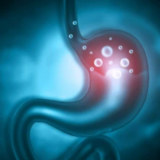
Frequent bloating, burping, indigestion, or discomfort after eating can also be linked to gallbladder disease, especially when symptoms keep returning.
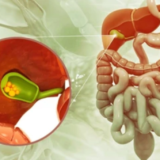
Some gallstones cause no symptoms and are discovered during routine scans or health check-ups. Even silent gallstones may require monitoring depending on their size, number, and associated risk factors.
Seek immediate medical attention if you experience:
These symptoms may indicate inflammation, infection, or blockage within the bile ducts and should not be ignored.
Many people are surprised to learn that gallstones often develop gradually over time. Everyday factors such as diet, weight changes, hormonal shifts, and underlying health conditions can all increase the risk of gallbladder stones.
Understanding these risk factors may help you recognise early warning signs and make informed decisions about your digestive health.
Being overweight increases the risk of gallstones by affecting the way the body processes cholesterol and digestive fluids.
Sudden weight loss from strict dieting, fasting, or bariatric surgery may place additional stress on the gallbladder and increase stone formation.
Frequent consumption of fried foods, processed meals, and unhealthy fats may contribute to poor digestive health and increase gallstone risk.
People living with diabetes or metabolic syndrome are more likely to develop gallstones due to changes in metabolism and cholesterol regulation.
Hormonal fluctuations during pregnancy can slow gallbladder function, making gallstones more common in some women.
If gallstones run in your family, your chances of developing them may be higher.
Gallstones are more frequently diagnosed:
Not every gallstone can be prevented, but healthy lifestyle habits and early medical evaluation can help reduce the risk of complications.
To understand more about why gallstones develop, explore our detailed guide on the causes of gallstone formation.
Digestive symptoms can often be misleading. Pain after meals, bloating, nausea, or discomfort in the upper abdomen may resemble common gastric problems, which is why a thorough evaluation is important before deciding on treatment.
Diagnosing gallbladder stones involves understanding the pattern of symptoms, assessing overall digestive health, and using targeted investigations to confirm whether stones are present and if they are causing complications.
The consultation usually begins with a detailed discussion about your symptoms and medical history. Your doctor may ask:
A physical examination may also help identify tenderness, abdominal guarding, or signs of jaundice.
An abdominal ultrasound is the most commonly used investigation for gallbladder stones. It is quick, painless, and highly reliable for detecting:
For most patients, ultrasound provides the first clear answer about the underlying cause of symptoms.
Blood investigations may be advised to evaluate liver health and identify signs of:
These tests can also help determine whether stones may have moved into the bile ducts.
Some patients require additional imaging when symptoms are severe, recurrent, or difficult to evaluate with ultrasound alone.
CT and MRI scans may be useful for assessing:
MRCP is a specialised MRI scan that produces detailed images of the bile ducts and pancreatic ducts.
This investigation is particularly valuable when:
As MRCP is a non-invasive imaging test, it provides detailed evaluation of the bile ducts and surrounding structures without the need for surgery.
In some cases, gallstones can block the common bile duct and lead to infection or jaundice. Procedures such as ERCP may then be recommended to both identify and remove the obstruction.
ERCP combines endoscopy with imaging and can help:
Not every patient with gallstones experiences the same symptoms or requires the same treatment. Accurate diagnosis is essential to understand the severity of the condition and decide whether monitoring, endoscopic treatment, or surgery is the most appropriate next step.
Dr. Arindam Ghosh follows a comprehensive hepatobiliary approach using advanced imaging, multidisciplinary evaluation, and minimally invasive treatment planning to provide safe and personalised gallbladder care in Dubai.
Gallstones do not always remain harmless. Some patients have mild symptoms for years, while others suddenly develop severe infection or blockage requiring emergency treatment.
One of the more common patterns seen in practice is repeated “small attacks” that gradually become more painful and more frequent over time. In some patients, stones can move out of the gallbladder and block the bile ducts or pancreas, leading to potentially serious complications.
This is one of the main reasons recurrent gallbladder symptoms should not be ignored.
When a gallstone blocks the outlet of the gallbladder, bile becomes trapped inside. This can lead to inflammation and infection of the gallbladder, known as acute cholecystitis.
Patients often develop:
Unlike a routine gallbladder attack, the pain usually does not settle quickly on its own.
In more severe cases, hospital admission, antibiotics, and urgent surgery may be required.
Sometimes gallstones slip out of the gallbladder and enter the common bile duct.
This can block the normal flow of bile from the liver and cause:
Patients with bile duct stones may require additional treatment such as MRCP, ERCP, or bile duct clearance before gallbladder surgery.
If a blocked bile duct becomes infected, patients can develop cholangitis, which is a potentially serious infection of the biliary system.
Symptoms may include:
Cholangitis requires urgent medical treatment because the infection can spread rapidly if bile drainage is not restored.
Gallstones can sometimes block the pancreatic duct and trigger inflammation of the pancreas, known as gallstone pancreatitis.
Patients may develop:
Some attacks are mild, but severe pancreatitis can become life-threatening and may require intensive hospital treatment.
In neglected or severe infections, the gallbladder wall can become damaged and perforate.
This is less common, but when it occurs, infection can spread into the abdomen and lead to serious illness requiring emergency surgery.
The risk is usually higher in:
Not every patient with gallstones needs surgery immediately. However, once symptoms become recurrent, delaying treatment often increases the risk of emergency complications and technically more difficult surgery later.
Many patients who undergo planned laparoscopic surgery recover far more smoothly than those who eventually require emergency admission after repeated attacks.
Gallbladder stones do not always need immediate surgery. The right treatment depends on your symptoms, the frequency of attacks, the size and location of the stones, and whether complications such as infection or bile duct blockage are present.
Some patients can safely manage mild or silent gallstones with observation and lifestyle changes, while others may require surgery to prevent recurring pain and serious digestive complications.
Gallstones found during routine scans may not always cause symptoms. In selected patients, careful observation and regular follow-up may be recommended instead of immediate surgery.
Monitoring may be appropriate when:
Even silent gallstones should not be ignored completely, especially if symptoms begin to develop over time.
Although diet cannot dissolve gallstones permanently, healthier eating habits may help reduce digestive discomfort and lower the risk of triggering painful attacks.
Patients are usually advised to:
These changes can support better digestive health and improve symptom control.
For occasional symptoms, medicines may help temporarily relieve:
However, recurring pain often indicates ongoing gallbladder disease that may eventually require surgical treatment.
For patients with symptomatic gallstones, laparoscopic gallbladder removal surgery, also called laparoscopic cholecystectomy, is widely considered the gold standard treatment.
This minimally invasive procedure removes the gallbladder through a few very small incisions using specialised instruments and a high-definition camera system.
Surgery may be advised if gallstones are causing:
Removing the gallbladder helps prevent future stone formation and significantly reduces the risk of emergency complications.
Compared to traditional open surgery, laparoscopic surgery offers several important advantages:
Many patients are able to walk within hours after surgery and return home the same day or after a short hospital stay.
Dr. Arindam Ghosh specialises in advanced laparoscopic and hepatobiliary surgery with a strong emphasis on patient safety, precision, and enhanced recovery.
Every patient is evaluated individually to determine the safest and most effective treatment approach based on symptoms, imaging findings, overall health, and lifestyle needs.
If gallstones are beginning to affect your daily life, early treatment can often prevent repeated attacks and avoid more serious complications later.
Recovery after laparoscopic gallbladder removal (cholecystectomy) is usually smooth, with most patients returning to normal daily activities within a short period. Understanding the recovery timeline, diet progression, and warning signs can help patients recover more confidently and comfortably.
|
Time After Surgery |
What Most Patients Can Expect |
|
First 24 Hours |
Mild pain, walking begins |
|
2–3 Days |
Light meals and home activity |
|
5–7 Days |
Resume light daily activities |
|
Around 1 Week |
Return to desk work possible |
|
2–4 Weeks |
Gradual return to normal routines |
|
4–6 Weeks |
Full recovery in most cases |
Recovery timelines may vary depending on:
Patients should always follow their surgeon’s personalised recovery instructions.
Choosing the right surgeon can make a significant difference to both recovery and long-term digestive health.
|
Hospital |
Timings |
|
Emirates Hospital Jumeirah |
Mon & Tue: 2 PM – 8 PM | Fri: 12 PM – 4 PM |
|
Emirates Speciality Hospital, DHCC |
Wed & Thu: 12 PM – 8 PM | Sat: 10 AM – 2 PM |
|
NMC Royal Hospital, Sharjah |
Mon & Tue: 11 AM – 1 PM | Sat: 2:30 PM – 4:30 PM |
Not always. Many people discover gallstones incidentally during a routine ultrasound done for acidity, bloating, or health check-ups. If the stones are not causing pain, fever, infection, or digestive symptoms, surgery may not be immediately necessary.
However, surgery is often advised when patients begin developing:
The decision depends on symptoms, scan findings, age, medical history, and overall risk of future complications.
Laparoscopic colorectal surgery is widely used because it may reduce surgical trauma compared with traditional open surgery. Many patients experience smaller incisions, earlier mobilisation, shorter hospital stay, and quicker recovery. However, the most appropriate surgical approach depends on the individual condition and overall health.
Unfortunately, gallstones do not usually disappear on their own.
Some patients remain symptom-free for years, while others begin having frequent attacks. Dietary control may reduce symptoms for a period of time, but it does not remove the stones.
There are medicines that can dissolve certain cholesterol stones, but they work only in selected situations and recurrence is common.
For patients with repeated pain or complications, surgery remains the most reliable treatment.
Laparoscopic gallbladder surgery is routinely performed and is generally considered safe in experienced hands.
Most patients are surprised by how quickly they recover. In straightforward cases:
Like any abdominal operation, risks can increase if there is severe infection, obesity, diabetes, previous surgery, or delayed treatment after repeated attacks.
This is why timing matters. Operating before complications develop is often safer than waiting for an emergency.
Most laparoscopic gallbladder operations take around:
45 minutes to 1½ hours
The timing depends on the condition of the gallbladder. A gallbladder that has had multiple infections or attacks can become scarred and stuck to surrounding structures, making surgery more complex.
If stones have moved into the bile duct, additional treatment may also be required.
Yes, most patients return to a completely normal diet.
The gallbladder stores bile, but the liver continues producing bile after surgery. The body gradually adapts over time.
For the first few weeks, some patients notice:
These symptoms are usually temporary and improve steadily.
Laparoscopic surgery is performed through small incisions using a camera-guided technique. This allows:
Open surgery involves a larger incision and is generally reserved for more difficult situations, such as severe infection, dense scarring, or complicated gallbladder disease.
Today, most gallbladder surgeries are completed laparoscopically.
Gallstones are seen more often in women, and hormones play a big part in that.
Female hormones, especially oestrogen, can increase the amount of cholesterol in bile. At the same time, hormonal changes can make the gallbladder empty more slowly. When bile sits in the gallbladder for longer, stones can gradually form.
This is why gallstones are commonly seen during:
Age and family history also matter. Some women are simply more prone to forming gallstones even with a healthy lifestyle.
The cost of laparoscopic gallbladder surgery in Dubai usually ranges between AED 15,000 and AED 30,000 depending on:
A proper consultation and scan review are usually needed before an accurate estimate can be given.
If you are experiencing repeated pain after meals, bloating, nausea, or gallbladder attacks, specialist evaluation can help identify the cause and discuss suitable treatment options.
Dr Arindam Ghosh provides minimally invasive gallbladder surgery and hepatobiliary care across Dubai and Sharjah.
Your Consultation Includes
We bring the years, global experience, and stamina to guide our clients through new and often disruptive realities.