

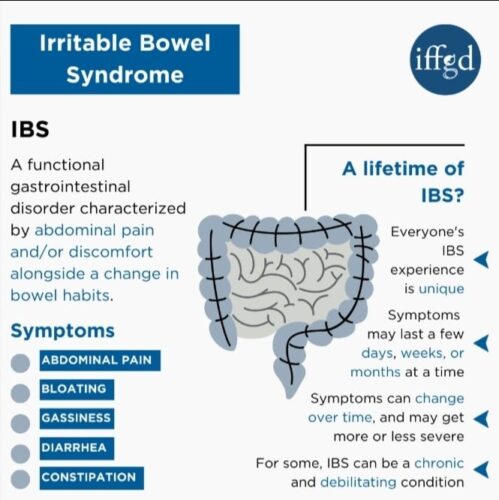
Irritable Bowel Syndrome (IBS) is a common gastrointestinal disorder affecting the large intestine characterized by functional issues rather than structural damage. Patients typically experience abdominal pain, cramping, bloating, and significant changes in bowel habits like diarrhea or constipation. While the exact cause is unknown, symptoms are often triggered by specific foods, high stress levels, or hormonal fluctuations. Management focuses on lifestyle adjustments, such as following a Low FODMAP diet, increasing fiber intake, and utilizing stress-reduction techniques to minimize flare-ups.
Irritable Bowel Syndrome presents in four primary subtypes categorized by stool consistency: IBS-C (constipation), IBS-D (diarrhea), IBS-M (mixed), and IBS-U (unclassified). While the specific bowel habits vary, these presentations are universally characterized by chronic abdominal pain, bloating, and gas, often accompanied by a sensation of incomplete evacuation or mucus in the stool. These functional symptoms typically fluctuate over time and are clinically assessed using the ROME IV criteria to differentiate between the predominant patterns of gastrointestinal distress.
The Rome IV criteria define Irritable Bowel Syndrome as recurrent abdominal pain occurring, on average, at least one day per week over the last three months. To meet the clinical threshold, this pain must be associated with two or more specific factors: a relationship to defecation, a change in the frequency of stool, or a change in the form (appearance) of stool. These symptomatic patterns must have originated at least six months prior to the diagnosis to establish chronicity. Clinicians typically use these guidelines alongside the Bristol Stool Scale to further categorize the condition into subtypes such as IBS-C (constipation-predominant), IBS-D (diarrhea-predominant), or IBS-M (mixed).
Management
Managing Irritable Bowel Syndrome (IBS) involves a multi-faceted approach centered on dietary stability and stress reduction. The Low FODMAP diet is the primary clinical recommendation, requiring the temporary removal of fermentable carbohydrates—such as certain stone fruits, legumes, and dairy—to alleviate gas and bloating. Patients should focus on soluble fiber like oats and lean proteins while maintaining consistent hydration and smaller, more frequent meal patterns. While IBS is a chronic functional disorder with no absolute “cure,” many individuals achieve long-term remission by identifying personal
triggers, using probiotics, and utilizing the gut-brain axis through relaxation techniques.
Would you like me to create a simple three-day meal plan based on these low-trigger guidelines?
Managing IBS usually starts with the Low-FODMAP diet, which temporarily limits specific carbohydrates that trigger gas and bloating. Since everyone’s triggers are different, it is best to focus on whole, unprocessed foods that are naturally easier on the gut.
Sample Meal Plan
1 Breakfast
Oatmeal with firm banana and a pinch of cinnamon.
Grilled chicken breast with quinoa and steamed carrots.
Baked salmon with sautéed spinach and white rice.
2. Lunch
Scrambled eggs with chives and sourdough toast.
Tuna salad (no onion/garlic) wrapped in lettuce leaves.
Stir-fried tofu with bell peppers and rice noodles.
3.Dinner
Lactose-free yogurt with a handful of blueberries.
Turkey slices, Swiss cheese, and cucumber on gluten-free bread.
Roasted lemon chicken with boiled potatoes and zucchini.