

Surgical weight loss in Dubai
For people living with severe obesity, where diet and exercise have stopped moving the number, bariatric surgery treats both the weight and the conditions that travel with it. Dr. Arindam Ghosh has run a dedicated bariatric surgery program since 2005, is trained in Switzerland, and has performed 1,000+ procedures, including high-risk obesity cases that other centres turn away.
Eligibility
Surgery is a medical decision, not a quick fix. The assessment starts with your body mass index, your health history, and the conditions obesity is already driving. If you have tried supervised diet and exercise without lasting results, you may be a candidate. The honest answer comes from a consultation, and our gastric bypass readiness checklist walks through what we review before recommending any procedure.
Class III obesity, where the health load is high enough that surgery is usually the most effective option.
A BMI from 35 paired with type 2 diabetes, high blood pressure, or sleep apnoea often meets surgical criteria.
When supervised lifestyle changes have not produced durable results, surgery resets the biology behind appetite.
Patients with complex obesity or prior failed attempts are assessed individually, not screened out by default.
Why treat obesity
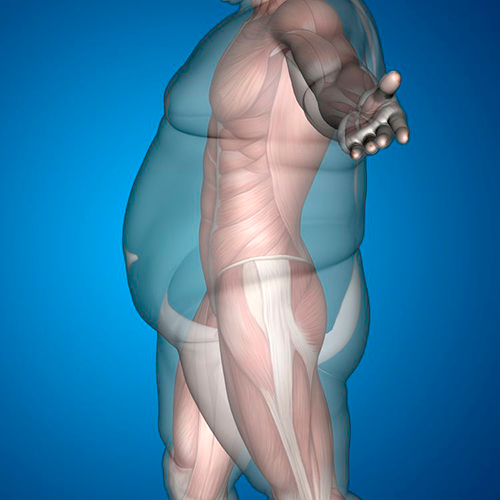
Excess weight rarely arrives alone. Over time it raises the risk of type 2 diabetes, high blood pressure, heart disease, fatty liver, joint damage, and obstructive sleep apnoea. Each of those conditions carries its own treatment burden, and together they shorten life expectancy.
Bariatric surgery is the surgical treatment for severe obesity and the conditions it drives. By changing how much you eat and how your body handles food, it gives many of these problems a chance to improve or resolve, rather than being managed one prescription at a time.
About 70 to 80 percent of the stomach is removed, leaving a narrow sleeve. You feel full on much less, and the part of the stomach that drives hunger hormones is gone. It is one of the most common procedures and a frequent starting point. For the full picture, read the guide to laparoscopic sleeve gastrectomy.
A small stomach pouch is created and connected to a lower section of the small intestine. This gastric bypass both restricts intake and reduces absorption, which makes it powerful for higher BMIs and for patients whose diabetes needs strong control.
MGB surgery uses a single connection instead of two, so it is technically simpler, faster on the table, and tends to carry a lower complication rate while delivering results that hold up over the years.
A non-surgical weight loss procedure where a balloon is placed inside the stomach to promote fullness, reduce food intake, and support weight loss alongside lifestyle changes.
Most patients lose an average of 5 to 6 kg per month in the early phase, settling at roughly 60 to 80 percent of their excess weight within 1 to 2 years. The exact curve depends on the procedure, your starting point, and how closely you follow the post-surgery plan. The surgery opens the window: the habits you build inside it decide how much you keep off for good.
Many patients see blood sugar improve quickly, and some reduce or stop diabetes medication after surgery.
Lower weight eases the load on the heart and blood vessels, which often brings blood pressure down.
Sleep apnoea frequently eases as weight comes off, so nights are calmer and days less foggy.
Joint strain, fatty liver, and metabolic problems tend to retreat as the excess weight is shed.
Mobility, energy, and confidence climb together, and everyday tasks stop feeling like a workout.
By taking pressure off so many systems at once, durable weight loss is linked with living longer.

After surgery
Surgery changes the anatomy. The result depends on the routine you build around it. The first weeks move through liquids and soft food before solids return, and the long-term pattern is steady: small, frequent, low-calorie meals with protein first.
The food side is detailed enough to deserve its own roadmap: our guide to the diet after sleeve gastrectomy lays out each stage week by week.
A single consultation maps your BMI, your health history, and your goals to the right operation, or tells you honestly if surgery is not the answer yet.
Book a consultationCost
A single headline number hides more than it tells. Two patients can be quoted very differently for the same operation. The honest way to understand sleeve surgery cost, or the price of any bariatric procedure, is to look at what sits behind the figure. Our dedicated breakdown of bariatric surgery cost in Dubai goes deeper on each driver and on insurance.
Choosing the surgeon matters as much as choosing the operation. Here is how to weigh up the best bariatric surgeon in Dubai for your own journey.
We review your BMI, history, and goals, and answer every question before anything is decided.
Tests and screening confirm you are fit for surgery and rule out anything that needs handling first.
Your chosen procedure is performed laparoscopically in an internationally accredited hospital.
Diet stages, supplements, and follow-up visits keep your results on track for the long run.
Surgery is generally considered at a BMI of 40 or above, or from a BMI of 35 when obesity-related conditions such as type 2 diabetes, high blood pressure, or sleep apnoea are present. Having tried supervised diet and exercise without lasting results also points toward surgery. A consultation is the only way to get a clear, personal answer.
Most patients lose an average of 5 to 6 kg per month in the months after surgery, reaching roughly 60 to 80 percent of their excess weight within 1 to 2 years. How much of that you keep off depends on following the post-surgery diet, staying active, and taking your supplements.
A gastric sleeve removes most of the stomach so you eat less and feel less hungry. A gastric bypass creates a small pouch and reroutes the intestine, so it both restricts food and reduces absorption. The bypass is often favoured for higher BMIs or strong diabetes control, while the sleeve is simpler. The right choice depends on your case.
MGB surgery uses one connection instead of two, which makes it technically simpler and faster, and it tends to carry a lower complication rate. Long-term weight results are comparable to the standard bypass. Whether it suits you is decided during assessment.
Recovery moves from liquids to soft food and then to solids over the first weeks. The lasting pattern is small, frequent, low-calorie meals with protein first, regular exercise as your energy returns, and lifelong vitamin and mineral supplements. Most daily activity resumes within a couple of weeks.
Dr. Arindam Ghosh started his bariatric surgery program in 2005, trained in Switzerland, and has performed 1,000+ bariatric surgeries, including high-risk obesity cases. Procedures are carried out in internationally accredited hospitals.
For many patients, yes. Better diabetes control, improved blood pressure, better sleep quality, and fewer obesity-related complications are among the most consistent benefits, alongside a higher quality of life and longer life expectancy. Your results are reviewed at follow-up.
Cost reflects the specific procedure, the hospital tier, the complexity of your case, and how much aftercare is included. That is why sleeve surgery cost and bypass pricing vary between patients. The clearest figure comes from a consultation, where the plan is built around your actual case.
Bring your questions. We will look at your BMI, your health, and your goals, and give you a straight answer about whether weight loss surgery is the right move and which procedure fits.
We bring the years, global experience, and stamina to guide our clients through new and often disruptive realities.