

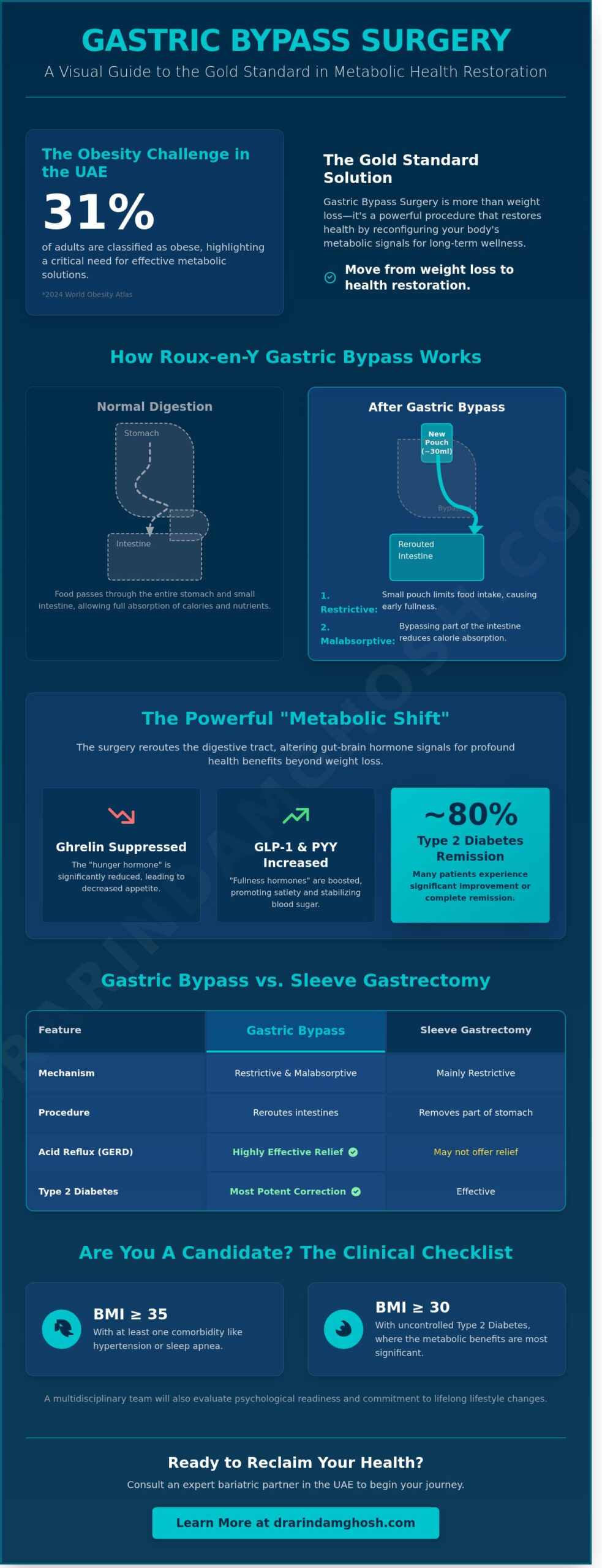
What if the decision to undergo gastric bypass surgery wasn’t just about losing weight, but about reclaiming a decade of your life? In the United Arab Emirates, where 31 percent of adults are classified as obese by the 2024 World Obesity Atlas, the path to health can feel like a maze of clinical jargon and lingering fears. You might worry about surgical complications or wonder if you’re truly prepared for the permanent lifestyle shifts that follow. It’s natural to feel a mix of hope and hesitation when considering such a significant step toward total wellness.
We understand that choosing between a sleeve and a bypass feels overwhelming, especially when you’re balancing the desire for Type 2 diabetes remission with concerns about long-term nutrition. You believe your health is your most valuable asset, and you deserve a solution that matches robotic precision with a human touch. This guide will help you evaluate your readiness for gastric bypass surgery through an expert-led checklist designed to restore your health. We’ll explore the clinical indicators of success, the importance of a multidisciplinary team, and the specific milestones that lead to a renewed quality of life.
Key Takeaways
- Evaluate your clinical and psychological readiness by understanding the specific BMI thresholds and lifelong commitments necessary for a successful metabolic transformation.
- Gain insight into how gastric bypass surgery acts as a powerful tool for health restoration by re-routing the digestive system to optimize metabolic signals.
- Discover the advantages of robotic-assisted precision and minimally invasive techniques that combine cutting-edge technology with a compassionate, patient-centered approach to recovery.
- Master the essential roadmap for life after surgery, including the tiered dietary progression and nutritional strategies required to maintain long-term wellness.
- Learn how to select an expert bariatric partner in the UAE who provides the multidisciplinary support and specialized care needed to truly restore your quality of life.
Understanding Gastric Bypass Surgery: The Gold Standard for Metabolic Health
Choosing a surgical path toward wellness requires a deep understanding of how the body processes energy and nutrients. Gastric bypass surgery, specifically the Roux-en-Y technique, stands as the gold standard in bariatric care because it addresses obesity from two distinct angles. It isn’t merely a tool for restriction; it’s a sophisticated method of health restoration that reconfigures your internal biology. In the UAE, where metabolic disorders affect nearly 19% of the adult population, this procedure offers more than a physical change. It provides a pathway to reclaiming a vibrant quality of life.
The procedure is both restrictive and malabsorptive. This dual action creates a powerful “Metabolic Shift” that goes beyond simple calorie counting. By re-routing the digestive tract, we alter the complex signaling between the gut and the brain. This shift is why the bypass is often superior for Type 2 diabetes remission. Clinical data shows that up to 80% of patients experience significant improvement or complete remission of their diabetes symptoms shortly after the procedure. We focus on moving from the concept of weight loss to the reality of health restoration, treating the underlying hormonal imbalances that make traditional dieting difficult for many.
The Mechanism: How Your Body Changes
The transformation begins with the creation of a small stomach pouch, roughly the size of a large egg or 30 milliliters in volume. This significantly limits the amount of food you can comfortably consume. Next, the surgeon connects this pouch directly to the middle portion of the small intestine, bypassing the duodenum and the first part of the jejunum. This reconfiguration serves several purposes:
- Caloric Control: The small pouch ensures early satiety, helping you feel full with much smaller portions.
- Reduced Absorption: By bypassing a section of the small intestine, your body absorbs fewer calories and fats from the food you eat.
- Hormonal Regulation: The surgery suppresses Ghrelin, the “hunger hormone,” while increasing levels of GLP-1 and PYY, which promote fullness and stabilize blood sugar.
Gastric Bypass vs. Sleeve Gastrectomy
While both procedures are highly effective, they serve different clinical needs. The sleeve gastrectomy is a simpler procedure that removes a portion of the stomach but doesn’t reroute the intestines. Gastric bypass is often the preferred choice for patients dealing with advanced Type 2 diabetes or severe Gastroesophageal Reflux Disease (GERD). The bypass effectively creates a one-way valve system that prevents acid from traveling back into the esophagus, providing relief that the sleeve may not offer. While sleeve gastrectomy remains an effective tool for weight reduction, gastric bypass surgery provides a more potent metabolic correction for patients struggling with insulin resistance and chronic acid reflux. Patients who choose the sleeve should also be aware that mastering the diet after sleeve gastrectomy is equally critical to protecting their surgical results and ensuring long-term success. Our multidisciplinary team ensures that the choice of procedure is personalized to your specific medical history and long-term wellness goals.
The Gastric Bypass Readiness Checklist: Are You a Candidate?
Choosing to undergo gastric bypass surgery represents a pivotal shift from managing a chronic condition to actively pursuing a healthier future. It’s a decision that blends clinical data with personal resolve. In the UAE, we follow rigorous international standards to ensure every patient is physically and mentally prepared for this transition. This process isn’t about exclusion; it’s about ensuring your safety and the long-term success of the intervention. We look for a specific alignment of health markers and lifestyle commitments that signal you’re ready for this life-changing path.
The Clinical “Must-Haves”
Clinical eligibility is the first step in our holistic evaluation. We focus on established metrics that indicate when surgical intervention becomes the most effective path for metabolic health:
- BMI ≥ 35: This is the standard threshold when accompanied by at least one significant comorbidity, such as hypertension or sleep apnea, which affects a substantial portion of the adult population in the region.
- BMI ≥ 30 with Type 2 Diabetes: For patients struggling to control blood sugar levels through medication alone, surgery is often the most reliable solution to achieve remission.
- Documented Weight Loss History: We look for evidence of previous attempts at medically supervised weight loss, typically spanning six months or more, that didn’t result in sustainable weight reduction.
The Mental and Emotional Checklist
Your emotional resilience is just as vital as your physical health. We view gastric bypass surgery as a powerful tool, but it requires a disciplined hand to guide it. You’ll need to embrace a strict post-operative nutritional protocol to facilitate a smooth gastric bypass recovery and prevent complications. We also evaluate your support network. Having family or friends who understand the demands of your new lifestyle is essential for maintaining your quality of life during the early months of healing.
Medical history also plays a role in our decision-making process. We carefully review past abdominal surgeries or gastrointestinal conditions that might influence the surgical approach, such as choosing between laparoscopic or robotic-assisted techniques. Preparing for the dietary transition involves more than just willpower; it requires a fundamental shift in your relationship with food. If you feel ready to take this step, a personalized clinical assessment can help determine the best path forward for your unique health profile.
Surgical Precision: The Role of Laparoscopic and Robotic Techniques
Surgical methodology has transformed significantly over the last 25 years. Open surgery, which once required large incisions and extended hospital stays, has largely been replaced by minimally invasive excellence. When undergoing gastric bypass surgery in the UAE, you benefit from techniques that prioritize your safety and long-term quality of life. Dr. Arindam Ghosh brings more than 25 years of experience in complex gastrointestinal cases to the operating room. This depth of experience ensures that every movement is backed by decades of clinical wisdom, which is vital when navigating the intricate anatomy of the digestive system.
Modern surgical precision isn’t just about the tools; it’s about the mastery of those tools to reduce physical stress on the body. Small incisions lead to a 40% reduction in post-operative discomfort compared to traditional methods. By choosing a surgeon who has performed thousands of complex GI procedures, you’re opting for a level of care that balances technical skill with a profound understanding of patient physiology.
The Laparoscopic Advantage
Laparoscopy uses small incisions, usually measuring between 5 and 12 millimeters, to access the abdomen. High-definition cameras provide a 10x magnified view of the surgical field, offering a level of clarity that far exceeds the naked eye. This superior visualization allows for meticulous dissection and reduced trauma to the abdominal wall. Most patients in the UAE find they can return to light activity within 7 to 14 days. For those seeking foundational knowledge on these procedures, this authoritative guide to weight loss surgery details how these modern approaches have improved patient safety profiles across the globe.
Robotic Precision and the “Human Touch”
Robotic-assisted surgery represents the pinnacle of modern medical innovation. It’s not a machine replacing a doctor; it’s a surgeon using advanced interfaces to achieve 360-degree dexterity in narrow spaces. This technology allows for incredibly precise suturing during gastric bypass surgery, which is essential for creating secure connections in the newly formed stomach pouch. The synergy between robotic precision and clinical empathy defines our practice. We view technology as a bridge to better outcomes, not a replacement for the personal connection between doctor and patient.
A multidisciplinary approach begins the moment you enter the operating suite. The surgical team works in perfect synchronization, focusing on a holistic recovery plan that starts before the first incision is made. By maintaining infection rates below 2% and focusing on personalized care, we ensure that your transition to a healthier lifestyle is supported by the highest standards of medical excellence available in the Emirates. Your recovery is a collaborative journey, and we’re committed to being your compassionate ally every step of the way.
The Roadmap to Recovery: Navigating Life After Bypass
Successfully undergoing gastric bypass surgery is a significant milestone, but the procedure is a tool rather than a final destination. Realizing the full potential of this intervention requires a structured, multi-phase recovery plan. This period focuses on healing the new stomach pouch while establishing sustainable habits that protect your long-term quality of life. It’s a collaborative journey where clinical precision meets your personal commitment to wellness.
The Post-Operative Dietary Phases
Your digestive system needs time to adapt to its new configuration. This progression is typically managed over a six-week period to ensure the surgical connections heal without stress.
- Phase 1 (Weeks 1-2): Focus remains on clear liquids and high-quality protein supplements. Staying hydrated is the primary goal during these initial fourteen days.
- Phase 2 (Weeks 3-5): You’ll introduce pureed and soft foods. Think of textures like Greek yogurt, mashed lentils, or blended lean proteins that don’t require heavy chewing.
- Phase 3 (Week 6 onwards): Transitioning to a sustainable, protein-first solid diet. At this stage, you’ll learn to prioritize nutrient density, ensuring every small meal contributes to your metabolic health. Patients who have undergone a sleeve procedure can find detailed guidance on navigating these same nutritional milestones in this comprehensive diet after sleeve gastrectomy recovery roadmap.
Long-Term Nutritional Vigilance
Because gastric bypass surgery alters how your body absorbs nutrients in the small intestine, lifelong supplementation is non-negotiable. Clinical data indicates that without consistent monitoring, patients risk significant micronutrient deficiencies. Vitamin B12, Iron, and Calcium Citrate are essential to maintain nerve function, oxygen levels, and bone density. Regular blood panels every six to twelve months allow your medical team to adjust dosages based on your specific needs.
You must also stay mindful of your body’s signals. Dumping Syndrome is a clinical condition where food, specifically high-sugar or high-fat items, moves too rapidly from the stomach into the small intestine, triggering a sudden release of insulin and gastrointestinal distress. To avoid this, focus on complex carbohydrates and avoid drinking liquids during your meals. This simple adjustment prevents the “dumping” effect and keeps your energy levels stable throughout the day.
Physical activity begins almost immediately. Most patients in the UAE start walking within 24 hours of the procedure to promote circulation. By the one-month mark, you can typically reintroduce moderate aerobic exercise. This movement, combined with regular follow-up care, is the most effective safeguard against weight regain. Long-term success isn’t just about the numbers on a scale; it’s about the vitality you regain through a disciplined, supported lifestyle. If you’re ready to take the next step in your health journey, consult with Dr. Arindam Ghosh to discuss a personalized recovery plan.
Choosing the Right Expert: Your Partner in Long-Term Wellness
Selecting a bariatric surgeon in the UAE involves more than checking credentials. It’s about finding a dedicated partner for your long-term health journey. You should prioritize experts who combine decades of clinical experience with the latest surgical technology. High-volume centers often report better outcomes, so look for a surgeon with a proven track record spanning thousands of successful procedures. Empathy is just as vital as technical skill. You need a doctor who views you as an individual with a unique story, not just a case number on a surgical list.
A multidisciplinary team is a non-negotiable component of modern weight loss care. Your success with gastric bypass surgery relies on a robust support system that includes clinical dietitians, psychologists, and metabolic specialists. This group works together to create a personalized care plan tailored to your specific biological and lifestyle needs. Research indicates that patients who engage with a comprehensive support team see significantly higher success rates in maintaining weight loss after the five-year mark. We measure the ultimate success of these interventions by the restoration of your quality of life. The true goal is your ability to play with your children, return to the workforce, or enjoy an active social life without physical limitations.
What to Ask During Your Consultation
Your initial meeting is the best time to evaluate the clinic’s infrastructure and the surgeon’s transparency. Ask directly about the surgeon’s specific complication and success rates for gastric bypass surgery. Inquire about the structured follow-up program. Does the clinic provide a clear roadmap for the first 24 months post-surgery? Assess their communication style during the talk. You need a medical team that listens to your concerns and explains complex metabolic processes in a way that feels accessible. A transparent dialogue about risks and realistic expectations is the foundation of patient safety and trust.
The Dr. Arindam Ghosh Approach
With over 25 years of expertise in advanced GI and bariatric surgery, Dr. Arindam Ghosh combines robotic precision with patient-centered empathy. This approach ensures that technical excellence never replaces the human touch. Whether practicing in the United Arab Emirates or India, his philosophy focuses on a holistic pathway to recovery. By utilizing the latest robotic-assisted tools, he minimizes recovery times while providing a comprehensive support system that addresses the emotional and physical nuances of weight loss. This disciplined, globally-minded care is designed to lead you from a state of uncertainty toward a state of informed empowerment, ensuring that your health is in the most capable hands.
Taking Your Next Step Toward Metabolic Freedom
Choosing to transform your health is a significant milestone that requires both mental readiness and clinical excellence. You’ve explored the essential checklist for candidacy and the advanced robotic techniques that make modern procedures safer and more precise. Success isn’t just about the procedure itself; it’s about the comprehensive roadmap that follows. With over 25 years of surgical expertise, Dr. Arindam Ghosh combines this high-tech precision with a deeply human touch to ensure your safety and long-term wellness. A successful gastric bypass surgery in the UAE relies on a dedicated multidisciplinary team that supports you through every phase of recovery. You don’t have to navigate this path alone. By prioritizing evidence-based care and personalized follow-up, you can reclaim your quality of life and achieve the metabolic health you deserve. It’s time to move from uncertainty toward a state of informed empowerment with a partner who values your long-term success as much as you do.
Schedule a consultation with Dr. Arindam Ghosh to discuss your weight loss journey and discover how 25 years of surgical mastery and expert robotic precision can support your transformation.
Frequently Asked Questions
Is gastric bypass surgery reversible if I change my mind?
Gastric bypass surgery is technically reversible, though surgeons treat it as a permanent lifelong commitment. Reversal involves complex microsurgical techniques to reconnect the stomach and small intestine, which carries higher risks than the initial procedure. In the UAE, clinical data suggests that less than 1% of patients require a reversal; this is usually due to rare medical complications rather than a change of mind. We focus on thorough pre-operative counseling to ensure you’re fully prepared for this life-enhancing transition.
How much weight can I expect to lose in the first year after surgery?
Most patients lose between 60% and 80% of their excess body weight within the first 12 months following the procedure. For an individual carrying 50 kilograms of excess weight, this translates to a loss of 30 to 40 kilograms in one year. This rapid transformation requires a multidisciplinary team approach to ensure you’re meeting nutritional goals while the weight stabilizes. Your quality of life often improves significantly as early as the six-month mark when the most rapid phase of weight loss occurs.
Can I get pregnant after having gastric bypass surgery?
You can safely have a healthy pregnancy after gastric bypass surgery, provided you wait 12 to 18 months post-operation. This waiting period allows your weight to stabilize and ensures your body isn’t in a state of active caloric deficit during fetal development. Clinical guidelines in the UAE recommend close monitoring by both your surgeon and an obstetrician to manage vitamin levels. Many women find that fertility improves after surgery as hormonal balances normalize with weight loss.
What happens if I don’t follow the vitamin regimen after surgery?
Neglecting your daily vitamin regimen can lead to serious medical conditions like chronic anemia, bone density loss, or permanent nerve damage. Because the surgery alters how your body absorbs nutrients, you can’t get enough vitamins from food alone. Clinical data indicates that 30% of post-surgical patients develop iron or B12 deficiencies if they skip supplements. We provide a personalized supplementation plan to prevent these issues, ensuring your body remains strong and resilient throughout your journey.
How long do I need to stay in the hospital after a laparoscopic bypass?
Most patients stay in the hospital for 1 to 3 days after a laparoscopic procedure. Using robotic precision and minimally invasive techniques allows for faster recovery and less post-operative discomfort. You’ll typically be walking within hours of the surgery to encourage circulation. Our clinical team monitors your progress closely during this window to ensure you’re hydrating well and managing pain effectively before you return home to continue your recovery.
Will I have excess skin after losing weight, and how is it managed?
Many patients experience excess skin after losing 40 kilograms or more, as the skin may not retract fully over the new body contour. This is a common physical marker of significant weight loss and is managed through targeted exercise or body contouring surgery. In the UAE, patients often wait 18 months for their weight to stabilize before consulting a plastic surgeon. We view this as the final stage of your holistic transformation toward a renewed quality of life.
Can gastric bypass cure Type 2 diabetes permanently?
gastric bypass surgery leads to complete remission of Type 2 diabetes in approximately 80% of patients. Many individuals see their blood sugar levels normalize within days of the procedure, often before significant weight loss occurs. While cure is a strong term, clinical studies show that long-term remission is achievable for over 10 years for many patients. This metabolic shift is one of the most powerful ways we restore health and longevity through surgical intervention.
What are the most common risks associated with gastric bypass today?
The most common risks today include dumping syndrome, nutrient deficiencies, and a 1% to 2% risk of staple line leaks or bowel obstructions. Modern laparoscopic and robotic tools have reduced major complication rates to less than 5% overall. We mitigate these risks through a comprehensive care model that includes rigorous pre-surgical screening and lifelong follow-up. Our goal is to balance clinical safety with the profound benefits of significant, sustained weight reduction.