


Anti-reflux & GERD surgery in Dubai
When heartburn and regurgitation keep coming back despite tablets and diet changes, the problem is usually the valve at the top of your stomach, not the acid itself. Dr Arindam Ghosh, a consultant GI surgeon with more than 25 years of experience and over 12,000 procedures performed, treats chronic reflux (GERD) with minimally invasive surgery aimed at lasting relief, not another prescription. As a Fellow of the American College of Surgeons, he carries each case from first assessment through surgery to long-term follow-up.
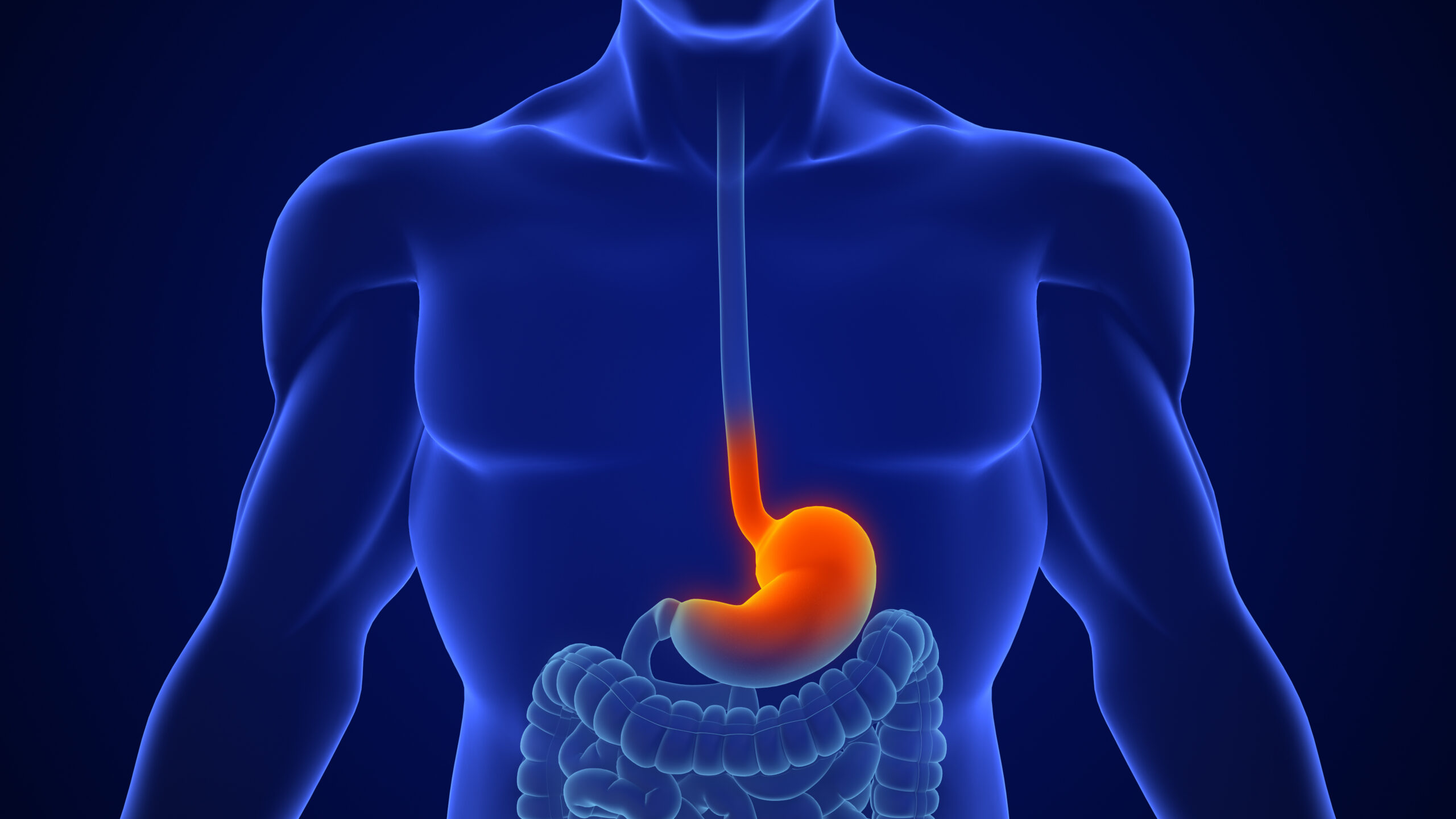
The condition
Almost everyone gets acidity now and then, after a large or spicy meal, or when lying down too soon afterwards. That is occasional reflux, and it usually settles on its own. Gastro-oesophageal reflux disease (GERD) is different: it is chronic reflux that happens regularly, often more than twice a week, and tends to get worse rather than better over time.
At the join between your food pipe and your stomach sits a ring of muscle called the lower oesophageal sphincter, or LES. It is meant to open to let food down, then close to keep stomach acid where it belongs. In GERD that valve does not seal properly, so acid washes back up into the oesophagus and irritates its lining. The acid is normal: the failed valve is the real problem, and it is what reflux surgery is designed to fix.
Recognise it
Reflux is more than heartburn. Many patients arrive having been treated for a throat or chest complaint for months before the cause is traced back to acid.
Carrying excess weight raises pressure on the stomach, and large meals, spicy or oily food, coffee, alcohol and carbonated drinks all loosen the valve or push acid upward.
Smoking weakens the valve, and lying down or going to bed soon after eating lets gravity work against you. Late, heavy dinners are a common trigger in reflux that flares at night.
Pregnancy, certain medications and a hiatal hernia, where part of the stomach slides up through the diaphragm, are frequent culprits. A hiatal hernia is one of the most common anatomical reasons severe reflux develops, and it often needs to be repaired at the same time as the valve.
Acid that keeps reaching the oesophagus does steady damage, and the changes tend to build on one another. This is why persistent reflux is worth taking seriously rather than masking indefinitely with medication.
Red flags
Occasional heartburn rarely needs a surgeon. But some symptoms point to damage that should be assessed promptly. See a gastrointestinal specialist if you notice any of the following.
The work-up
A clear diagnosis comes before any talk of surgery. The aim is to confirm that acid reflux is genuinely the cause, measure how much is happening, and check the anatomy of the valve and food pipe. Depending on your case, the assessment may include:
A detailed review of your symptoms, triggers, medication history and how reflux is affecting daily life.
A thin camera examines the oesophagus and stomach to look for inflammation, a hiatal hernia, stricture or Barrett's changes. You can read what an upper GI endoscopy involves in our patient guide.
The most objective way to measure how much acid reaches the oesophagus and whether it matches your symptoms, often the deciding test before surgery.
Measures the pressure and muscle activity of the food pipe and the LES, which helps plan the right type of surgery.
An X-ray study used in selected cases to map a hiatal hernia or a narrowing before treatment.
Treatment is built up in steps, from the simplest measures to surgery for the cases that need it. Most people start with lifestyle and medication, and many stay there. Surgery is reserved for reflux that does not settle or that is causing damage.
Losing excess weight, avoiding trigger foods, eating smaller meals, not eating late at night, raising the head of the bed and stopping smoking. These steps control symptoms for a large share of patients on their own.
Antacids for quick relief, H2 blockers to reduce acid, and proton pump inhibitors (PPIs) for stronger, longer control. Our guide to managing acid reflux without surgery covers how far these can take you.
For selected patients, endoscopic therapies or anti-reflux surgery (fundoplication) repair the valve itself. Dr Ghosh performs these with minimally invasive laparoscopic and robotic techniques through small incisions.
No single diet cures reflux, but what and when you eat makes a real difference to day-to-day symptoms. As a starting point, the table below shows foods that commonly trigger reflux against those most people tolerate better. For a fuller plan, see our guide to diet and lifestyle changes for living with GERD.
| Foods to limit or avoid | Foods generally better tolerated |
|---|---|
| Spicy foods | Oatmeal |
| Fried and oily foods | Bananas |
| Citrus fruits | Rice |
| Tomato-based foods | Lean proteins |
| Chocolate | Vegetables |
| Coffee | Non-citrus fruits |
| Carbonated drinks and alcohol | Smaller, regular meals |
The surgical step
Anti-reflux surgery, most often a fundoplication, wraps the upper part of the stomach around the lower oesophagus to rebuild the valve. It is a considered decision, suited to specific situations rather than every case of heartburn. Dr Ghosh may discuss surgery when:
Because the surgery is usually done by keyhole, most patients are encouraged to walk soon afterwards and return to light daily activities within a few days, though healing times vary from person to person.
More than 25 years in GI surgery and over 12,000 procedures, with anti-reflux surgery among his core areas of practice.
A full diagnostic work-up under one consultant, so the decision to operate rests on objective testing rather than guesswork.
Lifestyle, medication or surgery, matched to your symptoms, test results and what you want from treatment.
Laparoscopic and robotic surgery for faster recovery, with the same surgeon caring for you afterwards. He consults at Emirates Hospital Jumeirah, Emirates Speciality Hospital DHCC and NMC Royal Hospital Sharjah.
Most reflux is managed well with lifestyle changes and medication. Surgery is considered when symptoms stay severe despite proper treatment, when you do not want to stay on long-term PPIs, or when there is a complication such as a large hiatal hernia. A clinical evaluation, an upper GI endoscopy and usually 24-hour pH monitoring help decide whether surgery is appropriate for you.
The most common operation is a fundoplication. The surgeon wraps the upper part of the stomach around the lower oesophagus to rebuild the failing valve, so acid can no longer wash back up. Where a hiatal hernia is present, it is repaired at the same time. Dr Ghosh performs this using minimally invasive laparoscopic or robotic techniques through small incisions.
In most first-time cases the surgery is done by keyhole rather than open surgery, which means smaller incisions and less post-operative discomfort. Patients are usually encouraged to walk soon after surgery and to return to light daily activities within a few days, with a modified diet for a short period afterwards. Individual healing times vary, so your own recovery plan is set out at consultation.
For many appropriate candidates, anti-reflux surgery reduces or removes the need for daily acid medication by addressing the physical cause of reflux rather than only the acid. Results differ between patients, and your specialist will give you a realistic picture based on your test results before any decision is made.
Typically a clinical evaluation, an upper GI endoscopy to inspect the oesophagus and stomach, 24-hour pH monitoring to measure acid exposure, and oesophageal manometry to check the muscle function of the food pipe. A barium swallow may be added in selected cases. These confirm the diagnosis and guide the type of surgery.
The cost of reflux surgery depends on the procedure required, the hospital facility, and whether diagnostic investigations have already been done. Laparoscopic fundoplication and hiatal hernia repair are covered under many UAE health insurance policies. A personalised cost estimate and insurance pre-authorisation guidance are provided at consultation. Dr Ghosh's practice works with major insurers including DAMAN, BUPA Arabia, AXA Gulf and Oman Insurance.
Yes. Dr Ghosh treats international and medical-tourism patients from across the GCC, South Asia and Europe, with medical-visa and travel support available. Initial questions can be discussed by phone or WhatsApp on +971 58 181 9372 before you travel.
If heartburn and regurgitation are running your days, find out whether surgery can give you lasting relief. Book a consultation with Dr Arindam Ghosh across Dubai and Sharjah.
We bring the years, global experience, and stamina to guide our clients through new and often disruptive realities.