

Last Tuesday, a 54-year-old resident named Omar discovered that a Pancreaticoduodenectomy was his best option for a healthy future, yet the sheer complexity of the procedure left him feeling uncertain. It’s common to feel a sense of apprehension when you’re told you need a Whipple procedure, especially when you’re worried about how it might change your daily digestion or long-term energy levels. You’re likely looking for reassurance that modern medical precision can bridge the gap between a difficult diagnosis and a full return to the life you love.
I’m here to provide a clear, empathetic guide that demystifies every stage of this journey, from advanced robotic techniques to the specifics of post-operative care in the UAE. You’ll learn exactly why this surgery is necessary and how our multidisciplinary teams work together to ensure your safety and comfort. This article offers a comprehensive preview of the surgical process, the recovery milestones you’ll achieve, and the specialized support systems designed to protect your quality of life.
Key Takeaways
- Understand the complexities of the Whipple procedure and how it serves as a definitive surgical solution for pancreatic cancer and biliary disorders.
- Discover the advantages of robotic precision and minimally invasive techniques that prioritize your comfort and a faster return to daily life.
- Learn why a multidisciplinary team approach is the gold standard for ensuring comprehensive, personalized care throughout your oncology journey.
- Gain clarity on the recovery process, including expert guidance on dietary transitions and maintaining a high quality of life after surgery.
- Find out why selecting a high-volume specialist with over 25 years of experience is essential for the successful outcome of a complex Pancreaticoduodenectomy.
What is a Pancreaticoduodenectomy? Understanding the Whipple Procedure
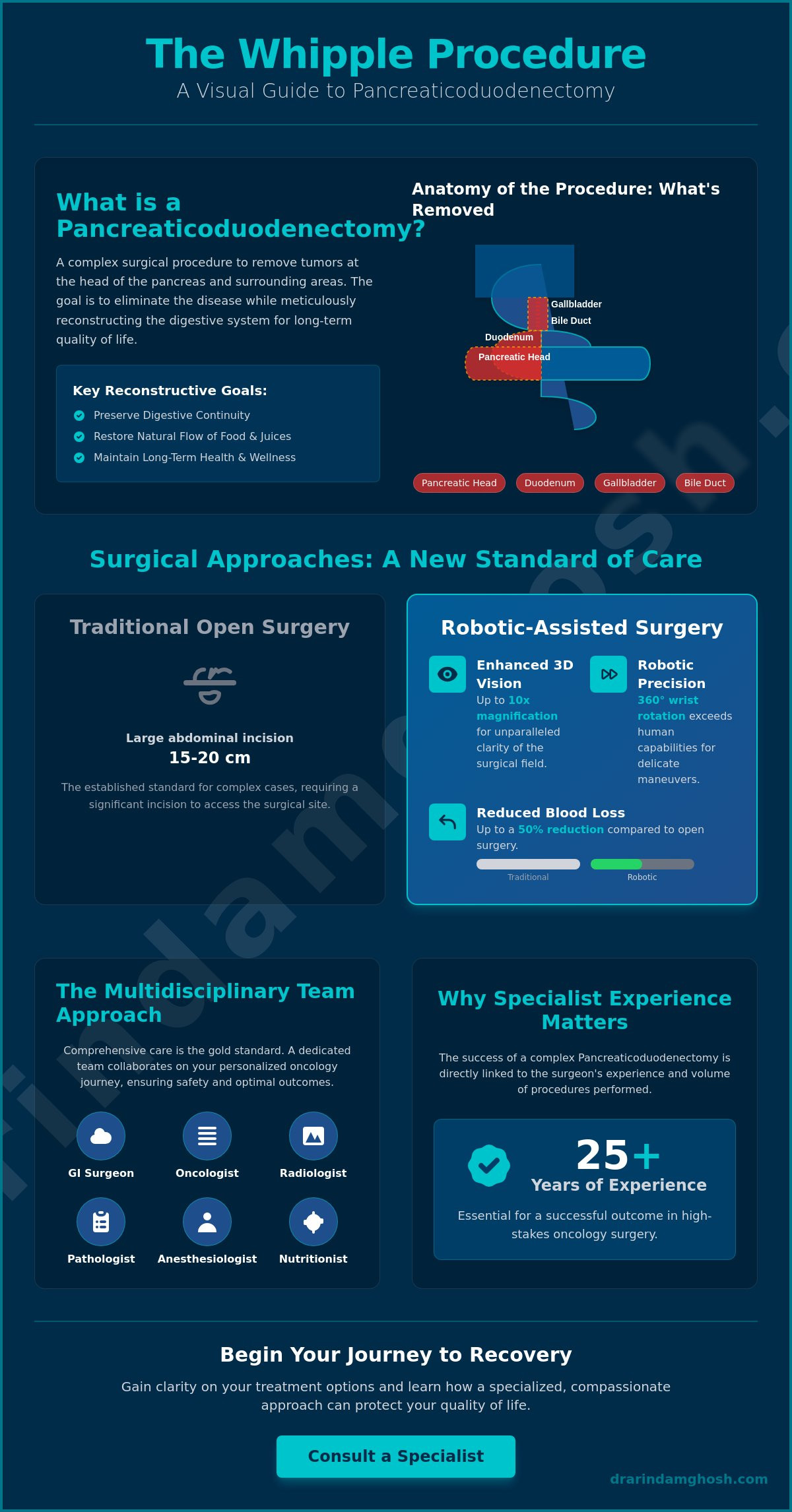
A Pancreaticoduodenectomy, commonly known as the Whipple procedure, represents a cornerstone in surgical oncology for treating localized gastrointestinal tumors. While the name sounds complex, it’s the standard of care for conditions affecting the head of the pancreas and surrounding structures. This surgical intervention involves the precise removal of the pancreatic head, the duodenum, the gallbladder, and a portion of the bile duct. Our primary objective is to eliminate the pathology while carefully preserving digestive continuity and your long term quality of life. Modern medical advancements in the UAE have transformed this once daunting surgery into a highly structured, successful pathway to recovery. We view this procedure not just as a clinical task, but as a vital opportunity to restore health and provide a clear path forward.
When is the Whipple Procedure Recommended?
We recommend this procedure for several conditions, ranging from malignant tumors to certain benign but debilitating disorders. The most common indication is pancreatic cancer localized to the head of the organ. We also utilize it for periampullary tumors, bile duct cancers, and severe cases of chronic pancreatitis where other treatments haven’t provided relief. Deciding on surgery depends heavily on the “resectability” of the tumor. A tumor is considered resectable when it hasn’t grown into major nearby blood vessels, allowing for a complete surgical removal with clear margins. This assessment is a vital step in our multidisciplinary approach to ensure the best possible outcome for every patient. In the UAE, our diagnostic protocols use high resolution imaging to confirm this status before we proceed with the intervention.
The Anatomy of the Procedure
The pancreas plays a dual role, producing enzymes for digestion and insulin for blood sugar regulation. During the resection phase, we remove the affected areas, but the true artistry of the Pancreaticoduodenectomy lies in the reconstruction. We meticulously rejoin the remaining portion of the pancreas, the bile duct, and the stomach to the small intestine. This ensures that digestive juices and food can still move through your system naturally. We approach this delicate “re-plumbing” with robotic precision and a deep commitment to your physical well-being. It’s a complex task, yet it’s one we perform with the goal of restoring your health and helping you return to the activities you love. Our focus remains on combining technical excellence with a compassionate touch to guide you through this transformative journey.
- Pancreatic Head: The wide part of the organ where most tumors occur.
- Duodenum: The first part of the small intestine that receives food from the stomach.
- Bile Duct: The tube that carries bile from the liver to the intestine.
- Gallbladder: The small organ that stores bile, which is removed to prevent future complications.
Laparoscopic and Robotic Whipple Procedures: Precision in Motion
Traditional surgery for a pancreatoduodenectomy often required a large abdominal incision, sometimes spanning 15 to 20 centimeters. While this open approach remains a gold standard for certain complex cases, the surgical landscape in the UAE has evolved. Modern minimally invasive techniques now offer a pathway to recovery that was once thought impossible for such a major operation. The choice between an open, laparoscopic, or robotic approach isn’t a one-size-fits-all decision. It’s a personalized strategy based on the tumor’s exact location, its relationship to major blood vessels, and your overall physical health. Every Pancreaticoduodenectomy I perform focuses on the same goal: removing the disease while protecting your long-term quality of life.
The Advantages of Robotic-Assisted GI Surgery
Robotic platforms represent a significant leap in surgical oncology. These systems don’t replace the surgeon; instead, they act as a high-tech extension of the surgeon’s own hands. The robotic arms provide a range of motion that exceeds the human wrist, allowing for 360-degree rotation in incredibly tight spaces. This “robotic precision” is paired with high-definition 3D visualization that magnifies the surgical field up to 10 times.
The clinical benefits for the patient are substantial. Because the instruments are steadier and the visualization is clearer, there’s often a 50% reduction in blood loss compared to traditional methods. Smaller incisions mean you’ll likely experience less post-operative pain and require fewer painkillers. It’s vital to remember that the success of this technology depends heavily on the surgeon’s experience. A skilled hand must guide the machine to ensure every movement is purposeful and safe.
Laparoscopic Innovation for Complex Cases
Laparoscopic surgery uses a specialized camera, known as a laparoscope, to navigate the abdominal cavity through several small ports. This method is particularly effective for providing a wide-angle view of the internal organs. One of the most significant advantages of this approach is the lower risk of wound-related complications. In fact, studies show that minimally invasive techniques can reduce the risk of surgical site infections by up to 30% in specialized centers.
Patients sometimes worry that a “smaller” surgery means a less thorough removal of the cancer. I want to reassure you that the oncological thoroughness is identical to open surgery. We remove the same tissues and lymph nodes to ensure the best possible outcome. If you’re ready to learn more about which technique fits your specific needs, you can schedule a consultation
The Multidisciplinary Approach: Your Team in GI Oncology
A Pancreaticoduodenectomy isn’t a solo performance. It’s a complex orchestration of medical expertise. In the United Arab Emirates, the gold standard for treating pancreatic conditions is the Multidisciplinary Team (MDT) approach. This model ensures that your care isn’t just a series of separate appointments, but a unified strategy. Your surgeon acts as the lead coordinator, bringing together diverse perspectives to tailor a plan specifically for your anatomy and diagnosis.
The team includes medical oncologists, radiologists, and pathologists who meet regularly to review your progress. Radiologists provide high-resolution imaging to map the tumor’s exact location, while pathologists analyze tissue samples with microscopic precision. According to the NIH Overview of the Whipple Procedure, this collaborative environment is vital for accurately assessing surgical candidacy and improving patient survival rates. Often, the best first step isn’t the operating room. Neoadjuvant therapy involves using chemotherapy or radiation to shrink a tumor before the Pancreaticoduodenectomy takes place. This strategic delay can make a complex surgery significantly safer and more effective.
Why Collaboration Leads to Better Outcomes
Different viewpoints prevent oversight. A radiologist might identify subtle vascular involvement that changes the surgical approach, while an oncologist suggests a specific drug regimen that improves the long-term outlook. Specialized GI nursing staff provide the constant, high-level monitoring required after such a major operation. Dr. Arindam Ghosh prioritizes this holistic view. He believes treating the patient means looking beyond the scans to understand their unique physical and emotional needs. This collective wisdom ensures every detail of the diagnosis is scrutinized before any intervention begins. The same multidisciplinary principles that guide pancreatic surgery also underpin our approach to colorectal cancer resection, where coordinated specialist care is equally essential for achieving the best possible outcomes.
Integrated Care Beyond the Operating Room
Recovery begins long before the first incision. Nutritionists play a critical role in “pre-habilitation,” ensuring your body has the protein and caloric reserves to handle the metabolic stress of surgery. This is especially important for patients who’ve experienced weight loss or digestive issues. Pain management specialists design personalized protocols that minimize discomfort while helping you stay mobile during recovery. To begin this journey, understanding the Professional Medical Consultation Fees is a practical first step in securing a comprehensive pre-operative plan. This ensures you have access to the full spectrum of UAE-based specialists who will support your return to a meaningful quality of life.
Life After the Whipple Procedure: Recovery and Long-Term Wellness
The days following a Pancreaticoduodenectomy are a period of focused monitoring and gradual progress. Most patients in the UAE remain in the hospital for 7 to 14 days, where our multidisciplinary team tracks every stage of your healing. We prioritize pain management and early mobilization, as movement helps prevent complications and encourages your digestive system to restart. You aren’t alone during this time; our clinical staff provides constant support to ensure you feel secure as you transition from the intensive care environment to a regular ward.
Managing Your Nutrition and Digestion
The most common question patients ask is, “What can I eat?” Your anatomy has changed, so your approach to food must change too. You’ll likely begin Pancreatic Enzyme Replacement Therapy (PERT). These capsules act as a substitute for the natural enzymes your pancreas used to produce, helping you break down fats and proteins effectively. Without these, you might experience bloating or weight loss. We also monitor your blood sugar levels closely. About 25% of patients may develop temporary or permanent diabetes after a Pancreaticoduodenectomy because the remaining portion of the pancreas may produce less insulin. This is managed through personalized dietary plans and, if necessary, medication.
- Eat small, frequent meals: Aim for 6 to 8 mini-meals a day rather than three large ones.
- Prioritize protein: Include lean meats, eggs, or dairy to support tissue repair.
- Limit high-fat foods: Start slowly to see how your body handles fats with the help of PERT.
- Hydrate constantly: Take small sips of water throughout the day to avoid feeling overly full.
Your body possesses an incredible ability to adapt to its new digestive landscape, typically finding a stable rhythm within 6 to 12 months. Patience is vital during this recalibration period.
Emotional and Physical Rehabilitation
Recovery is as much about the mind as it is about the body. We encourage a steady, measured return to physical activity. Walking is the best initial exercise. By the sixth week, many patients find they can return to light hobbies or office work. However, the emotional weight of cancer recovery can be heavy. We integrate mental health support into our follow-up care because clinical success is hollow without emotional well-being. The “human touch” in our practice ensures that we address your anxieties and celebrate your milestones together. Our ultimate goal is your quality of life, helping you return to your family and your passions with confidence.
If you have questions about your specific recovery path or need guidance on post-operative care, you can schedule a comprehensive follow-up consultation to discuss your personalized wellness plan.
Selecting a Specialist for Pancreaticoduodenectomy
Choosing the right surgical partner for a Pancreaticoduodenectomy is the most critical decision you’ll make after a diagnosis. This procedure is technically demanding. It requires a surgeon who operates within a high-volume environment. Clinical data consistently shows that surgeons who perform 20 or more of these procedures each year achieve better outcomes and lower complication rates. You should prioritize specialists with at least 25 years of experience in complex gastrointestinal oncology. This level of expertise ensures they’ve managed a wide array of anatomical variations and surgical challenges throughout their career.
Beyond technical skill, look for board certifications and affiliations with top-tier hospitals in the UAE. These institutions provide the multidisciplinary support, including advanced intensive care and specialized oncology nursing, that’s essential for your recovery. A patient-centric philosophy is also vital. Your surgeon should view you as an individual, not just a diagnosis. If you feel any hesitation about your treatment plan, seek a second opinion. A confident, experienced surgeon will always encourage you to feel fully informed and comfortable before moving forward.
Questions to Ask Your GI Surgeon
Your consultation is an opportunity to gauge both expertise and rapport. Don’t hesitate to ask direct questions about their track record and methods. You might ask:
- How many Whipple procedures do you perform annually?
- What is your specific approach to robotic surgery, and what are the benefits for my case?
- What does the expected recovery timeline look like for a patient with my specific health profile?
Technical proficiency is vital, but trust is equally important. You need a surgeon who listens to your concerns and explains the process without rushing. Clear communication helps reduce the anxiety often associated with major surgery. It ensures you’re an active participant in your own healing process. For a broader perspective on navigating your cancer care options, our guide on choosing a GI oncologist in Dubai for advanced cancer care can help you understand what to look for in a specialist and how to evaluate your options with confidence.
The Path Forward with Dr. Arindam Ghosh
Dr. Arindam Ghosh brings a unique blend of robotic precision and compassionate care to every Pancreaticoduodenectomy. His practice is built on the philosophy that every patient deserves a treatment plan as unique as their diagnosis. By utilizing advanced robotic-assisted tools, he aims to minimize physical trauma and accelerate the healing process. The focus remains steadfast on restoring your quality of life and long-term wellness.
You aren’t just a case number; you’re a partner in a journey toward recovery. Dr. Ghosh works alongside a multidisciplinary team in the UAE to ensure every aspect of your oncology care is seamless and supportive. This holistic approach bridges the gap between complex clinical facts and the human experience of illness.
Schedule a comprehensive surgical consultation with Dr. Arindam Ghosh to discuss your options and begin your path to recovery.
Empowering Your Path to Recovery and Long-Term Health
Facing a diagnosis that requires a pancreaticoduodenectomy is a significant moment in your health journey, but it’s one you don’t have to navigate alone. Modern advancements in surgical oncology have transformed the Whipple procedure from a daunting challenge into a manageable pathway toward healing. By leveraging robotic precision and a multidisciplinary approach, we prioritize your long-term quality of life alongside clinical success. Dr. Arindam Ghosh brings over 25 years of specialized surgical experience to the UAE, with a specific expertise in Robotic and Minimally Invasive GI Oncology.
Every treatment plan is meticulously crafted to ensure the best possible outcomes for your specific needs. You deserve a team that values innovation as much as integrity. Take the first step toward reclaiming your wellness by speaking with a specialist who understands the gravity of your situation and the potential for a full recovery. Our focus remains on your complete restoration, combining robotic expertise with a dedicated human touch. For patients facing other gastrointestinal cancers, our detailed resource on colorectal cancer resection and modern minimally invasive surgical care offers the same evidence-based guidance to help you make informed decisions about your treatment. Book a Consultation for Advanced GI Surgery
Frequently Asked Questions
Is the Whipple procedure considered a major surgery?
Yes, the pancreaticoduodenectomy is one of the most complex gastrointestinal operations performed today. It involves removing the head of the pancreas, part of the small intestine, the gallbladder, and the bile duct. Data from the Cleveland Clinic shows these procedures typically last 4 to 8 hours. It requires a high level of surgical precision and a multidisciplinary team to ensure the best outcomes for patients across the UAE.
Can I live a normal life after a pancreaticoduodenectomy?
Yes, most patients return to a high quality of life after recovering from a pancreaticoduodenectomy. While you’ll need to adjust your diet and possibly take digestive enzymes, studies show that 80% of patients return to their usual activities within 6 months. The focus of our care is to restore your health so you can enjoy your daily routine with your family in Dubai or Abu Dhabi.
What is the average recovery time for the Whipple procedure?
Most patients spend 7 to 10 days in the hospital followed by a recovery period of 6 to 8 weeks at home. You’ll likely feel tired for the first month as your body heals from the reconstruction of your digestive tract. By the 12th week, many individuals report feeling improvements in their energy levels and are able to resume light exercise and work according to clinical recovery benchmarks.
Are there alternatives to the Whipple procedure for pancreatic tumors?
Surgery remains the only curative option for localized pancreatic tumors, but alternatives like chemotherapy or radiation might be used first to shrink a tumor. In cases where the tumor is borderline resectable, a 2022 study in the Annals of Surgery found that neoadjuvant therapy can improve successful removal rates by 20%. Each case requires a personalized plan developed by our multidisciplinary oncology team to ensure the most effective treatment path.
How does robotic-assisted surgery differ from traditional surgery for this procedure?
Robotic-assisted surgery uses smaller incisions and provides the surgeon with a 3D, high-definition view of the operative field. This approach often leads to 30% less blood loss and a shorter hospital stay compared to traditional open surgery. We combine robotic precision with a human touch to ensure the most delicate parts of the pancreas and blood vessels are handled with extreme care, promoting faster healing and better results.
Will I need to take medication for the rest of my life after the surgery?
You might need to take pancreatic enzyme replacement therapy with every meal to help your body digest fats and proteins. About 30% of patients also develop new-onset diabetes after the surgery and require insulin or oral medications. We’ll monitor your blood sugar and digestive health closely to ensure your body gets the nutrients it needs for long-term wellness and a high quality of life after the operation.
What are the most common risks associated with the Whipple procedure?
The most common risk is a pancreatic leak, which occurs in approximately 15% to 20% of cases globally. Other risks include delayed gastric emptying, where the stomach takes longer to clear food, and post-operative infections. Our surgical team uses advanced techniques and strict protocols to minimize these risks and ensure your safety throughout the recovery process in our UAE facilities, prioritizing your total health and comfort.
How do I prepare my body for such a complex GI operation?
Preparation involves prehabilitation, which includes improving your nutrition and physical activity levels at least 2 to 4 weeks before surgery. Increasing your protein intake and walking for 30 minutes daily can reduce post-operative complications by 15%. We’ll provide a specific plan to optimize your health, ensuring you’re in the best possible condition for a successful outcome and a smooth transition back to your normal daily life. For a broader understanding of how surgical innovation is reshaping outcomes across the spectrum of gastrointestinal cancer surgery, including the latest robotic platforms and personalized treatment protocols, our comprehensive guide offers valuable context for patients preparing for any major GI procedure.
2 comments
Pingback: Choosing a GI Oncologist in Dubai: A Guide to Advanced Cancer Care
Pingback: Gastrointestinal Cancer Surgery: A Comprehensive Guide to Advanced Treatment and Recovery