

What if the ultimate success of your robotic surgery isn’t decided in the operating theater, but in the quiet moments of your first week at home? It’s completely normal to feel a mix of hope and intense anxiety about the months ahead. You might worry about the integrity of your new stomach pouch or feel confused by the strict progression from liquids to solids. Mastering the diet after sleeve gastrectomy is the most vital step to protect your surgical investment and ensure your body heals with clinical precision.
We understand that this transition is as much psychological as it is physical. This guide provides a clear, medically grounded roadmap to help you manage every nutritional milestone with confidence. You’ll learn how to prioritize protein to prevent hair loss, support the healing of your staple line, and move safely through each dietary phase. We’ll outline exactly how to achieve consistent weight loss while restoring the high quality of life you deserve here in the UAE. From the first sip of clear liquids to your first solid meal, this is your path to a healthier, more vibrant future.
Key Takeaways
- Understand how a structured nutritional plan protects the gastric staple line and facilitates physiological healing following your surgical procedure.
- Navigate the essential four-stage diet after sleeve gastrectomy, moving safely from clear liquids to nutrient-dense solids for a seamless recovery.
- Learn to prioritize high-quality protein and strategic hydration to support tissue repair and maintain optimal energy levels throughout your journey.
- Master mindful eating techniques, such as “chewing to a paste,” to adapt to your new digestive reality and avoid common post-operative complications.
- Discover how to transition from a temporary plan to a holistic lifestyle that sustains your results and restores your long-term quality of life.
The Purpose of Your Diet After Sleeve Gastrectomy: Beyond Weight Loss
Successful weight loss in the UAE often begins in the operating theater, but it’s finalized in the kitchen and through daily habits. The surgical procedure is merely the first step in a multidisciplinary journey toward health. While the robotic precision of the procedure reduces the stomach size, the diet after sleeve gastrectomy acts as a biological bridge to long-term success. This isn’t a restrictive regime designed for quick results; it’s a clinical protocol to protect the new staple line. During the initial 14 to 21 days, the gastric tissue is highly sensitive. Any internal pressure from solid food or carbonation can create tension on the sutures, increasing the risk of a gastric leak. By following a structured progression, we ensure the tissue heals without unnecessary stress, prioritizing your safety and long-term quality of life.
Beyond the physical healing of the stomach, a specialized nutritional plan prevents common post-surgical hurdles. Nausea and dehydration are frequent challenges in the warm UAE climate, making a disciplined fluid intake essential. A well-structured diet also targets fat stores while preserving lean muscle mass. Without adequate protein, the body may metabolize its own muscle tissue to compensate for the rapid caloric deficit. This personalized approach ensures that the weight you lose is the weight that matters, improving your metabolic health and energy levels.
Biological Healing and the Gastric Pouch
The procedure removes approximately 75% to 80% of the stomach, specifically the fundus where the hunger-stimulating hormone Ghrelin is produced. This hormonal shift is a powerful tool, yet it requires a disciplined approach to prevent stretching the remaining pouch. For more context on the procedure, this Sleeve Gastrectomy Overview explains the anatomical changes involved. Precision in your eating habits during the first six weeks mirrors the precision of the laparoscopic tools used during surgery. Small, measured portions are essential to maintain the integrity of the pouch while your body adapts to its new, smaller capacity.
Setting Realistic Expectations for Recovery
Recovery is a marathon, not a sprint. Patients in Dubai and across the Emirates often face social pressures around food, making it vital to distinguish between “head hunger” and physical satiety. Physical hunger is often significantly muted for the first 3 to 6 months due to hormonal changes. However, psychological cravings remain. Success depends on hitting protein targets to preserve lean muscle, as the body naturally tries to metabolize muscle during rapid weight loss. We aim for a holistic transition where you view your diet after sleeve gastrectomy as fuel for a vibrant, active life rather than a clinical requirement. It’s about moving from a state of recovery to a lifelong mindset of wellness.
The Four-Stage Roadmap: A Step-by-Step Transition to Solid Foods
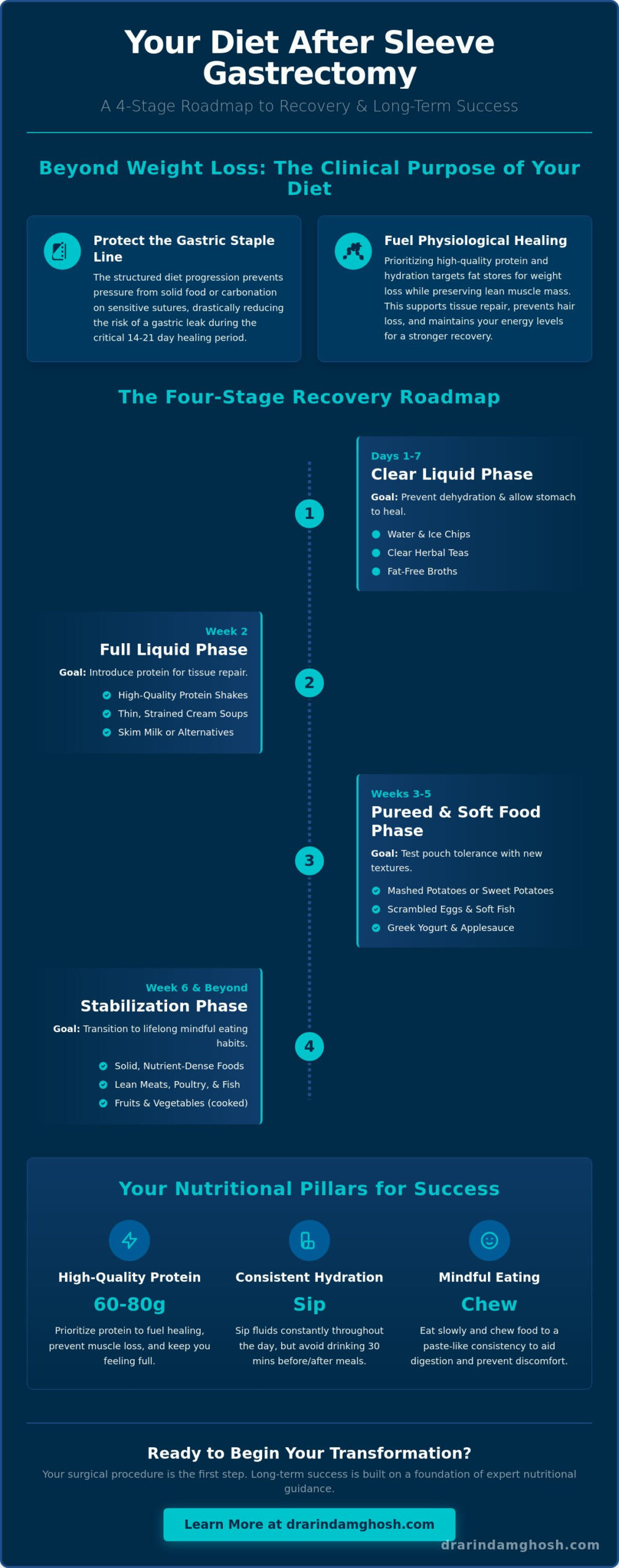
Recovery is a disciplined journey that balances clinical precision with your body’s natural healing pace. The diet after sleeve gastrectomy isn’t merely about restriction; it’s a structured medical protocol designed to protect your staple line while ensuring your metabolic needs are met. This transition occurs in four distinct phases, moving from total liquid rest to the reintroduction of complex textures.
- Stage 1: The Clear Liquid Phase (Days 1-7). Your primary objective is preventing dehydration. The new gastric pouch is initially swollen, making it vital to focus on water, clear herbal teas, and fat-free broths.
- Stage 2: The Full Liquid Phase (Week 2). We introduce protein-rich liquids to facilitate tissue repair. This stage includes thin cream soups and high-quality protein shakes to meet the daily goal of 60 to 80 grams of protein.
- Stage 3: The Pureed and Soft Food Phase (Weeks 3-5). This is a period of testing the pouch’s tolerance. You’ll transition to foods with the consistency of applesauce or yogurt.
- Stage 4: The Stabilization Phase (Week 6 and Beyond). This marks your “New Normal.” You’ll begin eating solid, nutrient-dense meals while practicing lifelong mindful eating habits.
Navigating the Liquid Phases Safely
The first 14 days require patience and meticulous attention to detail. Following established Post-Surgery Diet Stages helps minimize the risk of complications like nausea or pouch stretching. Approved liquids include clear chicken or vegetable broths and diluted, non-acidic juices. Once you reach the full liquid stage, protein shakes become your cornerstone for recovery.
We advocate for the “sip-sip-sip” method. Gulping liquids introduces air into the pouch and can cause immediate discomfort or even vomiting. You should aim to consume 1.5 to 2 liters of fluid daily, taken in small increments throughout the day. If you experience cramping or reflux, it’s a signal from your body to slow down or revert to clear liquids for a few hours. Our multidisciplinary team often recommends keeping a detailed log of your fluid intake during this time to ensure you stay on track with your hydration goals.
Moving Toward Texture: Pureed and Soft Foods
By the third week, your stomach is ready for more substance. We use the “fork-mashable” rule: if a food cannot be easily mashed into a smooth paste with a fork, it’s too early to consume it. This stage focuses on high-protein soft options like Greek yogurt, low-fat cottage cheese, and soft-scrambled eggs. Flaky white fish, such as sea bream or hammour, is an excellent choice for patients in the UAE looking for high-quality, local protein sources that are gentle on the digestive tract.
Transitioning to solids is a major milestone in your diet after sleeve gastrectomy. The first bite of solid protein, such as moist, shredded chicken, should be chewed at least 25 times until it reaches a puree consistency in the mouth. This careful approach ensures your “robotic precision” surgery is supported by equally precise nutritional habits, ultimately protecting your long-term quality of life and surgical outcome.
The Nutritional Pillars: Protein, Hydration, and Supplementation
Success after surgery depends on more than just the procedure itself; it requires a disciplined commitment to three foundational pillars. These pillars ensure your body heals efficiently while your metabolism adjusts to its new capacity. Following a structured diet after sleeve gastrectomy isn’t about restriction alone. It’s about maximizing the nutritional value of every bite to support your long-term quality of life and metabolic health.
Why Protein is the Gold Standard of Recovery
Protein is the primary building block for tissue repair. You must aim for a daily target of 60 to 80 grams to ensure your body heals from the laparoscopic incisions and internal structural changes. This intake is also vital for preserving lean muscle mass as you lose weight. Without enough amino acids, you may experience hair thinning or persistent fatigue. Start every meal with high-quality sources like eggs, soy, or lean poultry. Many patients find that medical-grade protein powders are essential during the first 6 months to reach these goals. The UCSF Health dietary guidelines emphasize that protein should always be the priority on your plate before moving to vegetables or complex carbohydrates.
The Art of Hydration After Surgery
Maintaining a fluid intake of 1.5 to 2 liters daily is a logistical challenge that requires a new strategy. You must separate drinking from eating by at least 30 minutes. Drinking during a meal can flush food through the sleeve too quickly or cause uncomfortable pressure. Small, frequent sips throughout the day are the best way to meet your goals. Watch for signs of dehydration such as dark urine, dizziness, or a resting heart rate increase. In the UAE’s warm climate, staying hydrated is even more critical for your recovery. Avoid carbonated drinks and straws during the early months. These introduce excess air into the stomach, leading to gas pain and unnecessary stretching of the surgical site.
Supplementation is a lifelong commitment. Because the surgery reduces the stomach’s size and alters digestion, your body can’t absorb enough vitamins from food alone. Bariatric-specific multivitamins are non-negotiable to prevent serious complications. We closely monitor your blood work for deficiencies in Iron, Vitamin B12, and Calcium. For instance, B12 deficiency can lead to permanent nerve damage if left untreated. Regular follow-ups allow our multidisciplinary team to adjust your regimen, ensuring your path to wellness remains safe and scientifically grounded. This proactive approach transforms a medical requirement into a personalized blueprint for a healthier existence.
Behavioral Mastery: Adapting to Your New Digestive Reality
Successfully managing your diet after sleeve gastrectomy requires a fundamental shift in how you interact with food. The physical restriction created by the surgery is a powerful tool, but its effectiveness depends on your ability to listen to your body’s new signals. Your stomach pouch now holds approximately 150 milliliters, which is a significant reduction from its previous capacity. This change necessitates a slower, more deliberate approach to every meal to ensure comfort and optimal nutrient absorption.
Mindful eating is the cornerstone of this transition. We encourage patients to adopt the technique of chewing food to a paste, which typically requires 20 to 30 chews per bite. This mechanical breakdown is essential because your smaller stomach no longer has the volume to churn large pieces of food. To maintain a healthy rhythm, many patients in our UAE clinics follow the 20-20-20 rule:
- 20 Minutes to Eat: Dedicate at least 20 minutes to finish your meal, allowing your brain time to register fullness.
- Small Bites: Each portion should be no larger than the size of a small coin or the tip of your thumb.
- 20 Minutes of Rest: Avoid strenuous activity or drinking liquids for at least 20 minutes after eating to prevent reflux or discomfort.
Learning to recognize early satiety signals is equally vital. You might experience a slight pressure in the upper abdomen, a hiccup, or a sudden lack of interest in the meal. Stopping at this exact moment prevents overeating, which can lead to vomiting or the gradual stretching of the gastric sleeve over time.
Identifying and Avoiding Dumping Syndrome
Dumping syndrome occurs when high-sugar or high-fat foods move too quickly from your stomach into the small intestine. This rapid gastric emptying can cause a sudden shift of fluid into the gut. You may experience nausea, cold sweats, a rapid heartbeat, and abdominal cramping within 30 minutes of eating. By choosing complex proteins and fibers instead of refined sugars, you maintain steady blood sugar levels and avoid these distressing episodes. It’s a physiological reminder to prioritize nutrient-dense whole foods.
The Psychological Shift to Smaller Portions
The mental transition is often as challenging as the physical one. Using smaller 7-inch plates and dessert-sized utensils can help your brain feel visually satisfied with smaller portions. We believe in a multidisciplinary approach that combines the precision of Laparoscopic Sleeve Gastrectomy with ongoing nutritional counseling. This holistic strategy ensures that the “diet after sleeve gastrectomy” becomes a sustainable lifestyle rather than a temporary restriction. Success is found in the balance of clinical guidance and personal discipline.
If you need expert guidance on managing your post-surgical lifestyle, book a consultation with Dr. Arindam Ghosh today to receive a personalized recovery roadmap.
Long-Term Success: Sustaining Your Results for a Lifetime
Sustaining the results of your procedure requires a shift from viewing your nutrition as a temporary diet after sleeve gastrectomy to embracing it as a holistic, high-tech wellness journey. This transition involves more than just counting calories; it’s about integrating modern medical insights with mindful daily habits. Clinical success is measured by your ability to maintain a stable weight while optimizing your metabolic health through a multidisciplinary approach. You aren’t just managing a surgical outcome; you’re cultivating a new standard of living.
Regular follow-up appointments and comprehensive blood work are non-negotiable components of your long-term strategy. In the UAE, where lifestyle factors can be complex, monitoring levels of Vitamin D, B12, and iron every six months during the first two years ensures your body functions at its peak. These clinical checkpoints allow us to fine-tune your supplements and address any nutritional gaps before they impact your energy levels. Professional guidance provides the safety net necessary to navigate the complexities of post-surgical biology with confidence.
Reintroducing variety into your meals allows you to enjoy the rich social dining culture of the Emirates without compromising your progress. When dining out, prioritize lean proteins and grilled vegetables, and always remember to eat slowly. The synergy of nutrition and movement also plays a vital role. You can typically begin light walking within two weeks of surgery, but you should wait until the six-week mark to start more intensive resistance training. This gradual progression protects your physical integrity while boosting your metabolic rate.
Maintenance and Preventing Weight Regain
Weight regain often begins with the subtle reintroduction of slider foods. These are high-calorie, easy-to-digest snacks like crackers, pretzels, or chips that slide through the stomach pouch without creating a sense of fullness. Identifying these triggers early is essential for long-term stability. Accountability remains your strongest tool; participating in support groups provides the emotional scaffolding needed to stay disciplined. We combine this clinical rigor with a human touch, ensuring you never feel like a statistic in your recovery journey.
Restoring Your Quality of Life
The ultimate goal of this journey is the restoration of your quality of life. We celebrate non-scale victories, such as the ability to play with your children, improved mobility, and the resolution of comorbidities like Type 2 diabetes or hypertension. For some patients, understanding the differences between procedures is helpful, particularly when discussing options with family members who might be considering Gastric Bypass Surgery as an alternative pathway. Taking the first step toward a healthier, more vibrant existence is a profound act of self-care that yields dividends for decades to come.
Empowering Your Transformation Through Nutritional Precision
Navigating the stages of your recovery requires more than just discipline; it demands a structured approach to healing. By adhering to the four-stage transition and prioritizing protein and hydration, you ensure your body has the resources to thrive. This diet after sleeve gastrectomy serves as the blueprint for your new digestive reality, turning surgical intervention into a lifelong victory for your health. It’s about reclaiming your quality of life through mindful habits and evidence-based nutrition.
Success is most certain when clinical expertise meets personalized care. With over 25 years of surgical expertise, Dr. Arindam Ghosh provides a multidisciplinary environment focused on patient-centric outcomes. As a specialist in advanced laparoscopic and robotic bariatric care in the UAE, he combines technical precision with a deep understanding of the patient journey. You deserve a recovery plan that’s as unique as your health goals. Schedule a personalized nutritional consultation with Dr. Arindam Ghosh to optimize your recovery journey.
Your journey toward wellness is a marathon, not a sprint. With the right guidance and a commitment to these nutritional pillars, you’re well on your way to a more energetic and fulfilling life.
Frequently Asked Questions
Can I ever drink coffee or tea again after a sleeve gastrectomy?
You can safely resume drinking coffee or tea approximately 30 days after your procedure. We recommend starting with decaffeinated options to avoid dehydration and gastric irritation during the early healing stages. Caffeine acts as a diuretic; staying hydrated is your absolute priority during the initial recovery phase. Once you reintroduce caffeine, limit intake to one cup daily to ensure it doesn’t interfere with nutrient absorption or your sleep quality.
What happens if I accidentally eat too much or too fast?
If you consume food too quickly or exceed the capacity of your new stomach, you’ll likely experience nausea, intense pressure, or vomiting. Your stomach now holds about 150ml of volume, which is a significant reduction from its previous size. Eating beyond this limit causes immediate discomfort and can lead to long term stretching of the gastric pouch. To avoid this, practice the 20/20 rule: chew each bite 20 times and take at least 20 minutes to finish your meal.
How soon after surgery can I start taking my vitamins?
Most patients start their specialized vitamin regimen 14 days after surgery once they’ve transitioned to thicker liquids. During the first 90 days, you’ll use chewable or liquid supplements to ensure your smaller stomach absorbs them efficiently. This multidisciplinary approach to nutrition prevents common deficiencies in B12, iron, and calcium. Following a structured diet after sleeve gastrectomy ensures these nutrients support your energy levels as your body adapts to a lower caloric intake.
Is it normal to experience hair loss during the first few months?
It’s very common to notice hair thinning between month 3 and month 6 of your recovery journey. This condition, known as telogen effluvium, affects roughly 40% of patients due to the physiological stress of rapid weight loss and protein shifts. It’s a temporary phase and not a sign of permanent balding. Ensuring you meet your daily target of 60 to 80 grams of protein helps your hair follicles return to the growth phase more quickly.
Can I drink alcohol after I have fully recovered from the surgery?
You should avoid alcohol for at least 12 months following your surgery to protect your liver and your weight loss results. Your metabolism changes significantly, meaning blood alcohol levels peak much faster and stay elevated longer than they did before the procedure. Alcohol is also high in “empty” calories that can stall your progress. When you do eventually choose to drink, avoid carbonated mixers that cause painful gas or bloating in your smaller stomach.
What should I do if I feel constantly hungry during the liquid phase?
Feeling hungry during the liquid phase is often “head hunger” rather than a physical need for calories. Your levels of ghrelin, the primary hunger hormone, decrease by up to 70% after the surgery. If you feel true hunger, ensure you’re hitting your 1.5 liter fluid goal and consuming protein-enriched broths. Staying consistent with your scheduled liquid meals every 2 to 3 hours helps maintain steady blood sugar levels and prevents the urge to graze on unhealthy options.
How do I ensure I am getting enough protein if I am a vegetarian?
Vegetarian patients can meet their protein goals through Greek yogurt, tofu, lentils, and high quality plant based protein isolates. A single cup of cooked lentils provides 18 grams of protein, making it an excellent staple for your diet after sleeve gastrectomy. You should aim for 1.2 grams of protein per kilogram of your goal body weight. Our team provides personalized meal plans to ensure your plant based choices offer a complete amino acid profile for muscle preservation.
When can I begin incorporating spicy foods back into my diet?
You can typically begin reintroducing mild spices into your meals after 90 days of healing. The stomach lining requires about 3 months to heal fully before it can tolerate capsaicin or highly acidic seasonings without causing inflammation. Start with small amounts of cumin or turmeric before moving to hotter peppers or sauces. If you experience acid reflux or epigastric pain, wait another 14 days before trying again to ensure your digestive tract is ready.
One comment
Pingback: Gastric Bypass Surgery: A Comprehensive Readiness Checklist and Guide