

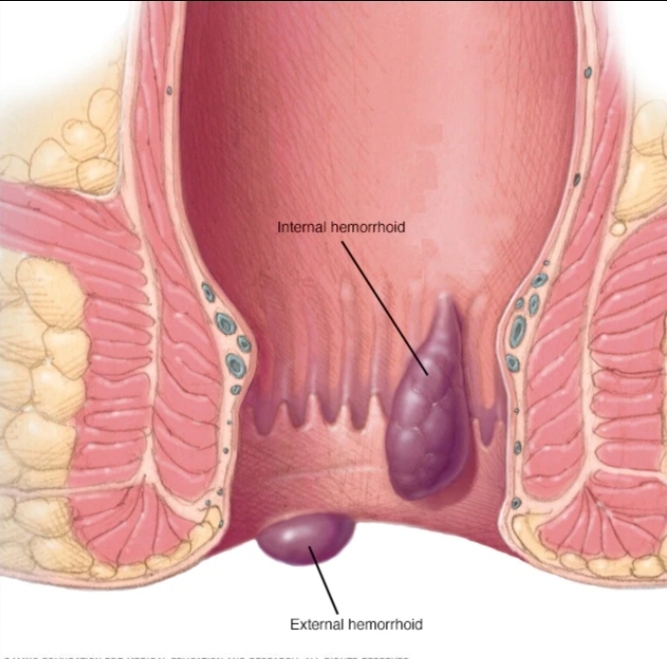
Understanding Hemorrhoids (Piles): Causes, Risks, and Relief
Hemorrhoids, commonly known as piles, are swollen and inflamed veins in the lower rectum and anus. While they can be uncomfortable and sometimes painful, they are incredibly common—affecting millions of people worldwide. Fortunately, they are also highly treatable and preventable.
Here is a comprehensive guide to understanding why piles occur, who is most at risk, and how to treat and prevent them.
The Core Causes of Piles (Ranked by Importance)
Piles develop when there is increased pressure in the lower rectum, causing the blood vessels to stretch, swell, and bulge.
1. Straining During Bowel Movements (Most Important) This is the leading cause of hemorrhoids. Pushing hard puts immense, direct pressure on the delicate veins in the rectum and anus, causing them to swell.
2. Chronic Constipation or Diarrhea:** Hard stools require excessive straining, while chronic diarrhea causes constant irritation and frequent bathroom visits, both of which stress the anal canal.
3. Pregnancy and Childbirth:** The weight of the growing baby puts extra pressure on the pelvic veins. Additionally, the intense pushing during labor frequently causes piles.
4. Aging: As we get older, the tissues that support the veins in the rectum and anus naturally weaken and stretch, making piles more likely.
5. Genetics: A family history of weak blood vessels can make some individuals naturally more prone to developing hemorrhoids.
—
Daily Habits That Lead to Piles
Often, our routine behaviors unknowingly contribute to the development of hemorrhoids. Watch out for these common habits:
Sitting on the Toilet for Too Long: Scrolling on your phone or reading while sitting on the toilet puts prolonged downward pressure on the anal veins.
Eating a Low-Fiber Diet :A diet heavily reliant on processed foods, fast food, and low-fiber snacks leads to hard, difficult-to-pass stools.
Not Drinking Enough Water:Dehydration causes the body to pull water from the colon, resulting in hard stools and constipation.
Holding in Bowel Movements: Ignoring the urge to go causes the stool to back up and dry out, making it much harder to pass later.
Improper Heavy Lifting: Holding your breath and straining while lifting heavy weights at the gym or carrying heavy groceries forcefully pushes pressure down into your pelvis.
—
Jobs Where Piles Are Most Prominent
Certain occupations require physical routines that naturally increase the risk of developing piles. These generally fall into two categories: prolonged sitting and heavy lifting.
Professional Drivers: Long-haul truck drivers, taxi drivers, and bus drivers spend hours sitting in one position, which restricts blood flow in the pelvic area.
Desk & Office Workers: Programmers, writers, call-center employees, and executives who sit at a desk for 8+ hours a day without taking breaks.
Heavy Manual Laborers: Construction workers, warehouse movers, and factory workers who constantly lift heavy objects are at high risk due to repeated abdominal straining.
Pilots and Flight Attendants: The combination of prolonged standing/sitting, changes in cabin pressure, and irregular schedules leading to poor digestion can contribute to piles.
—
How to Prevent Piles
Prevention mostly revolves around keeping stools soft and reducing pressure on your pelvic region.
Increase Your Fiber Intake: Eat more fruits, vegetables, whole grains, beans, and legumes. Fiber adds bulk to your stool and softens it. (Aim for 25-30 grams a day).
Stay Hydrated:Drink plenty of water and other non-alcoholic liquids throughout the day to keep your digestion moving smoothly.
Go When You Feel the Urge:Do not wait. Use the restroom as soon as you feel the need.
Change Your Toilet Posture: Consider using a small step stool under your feet while on the toilet. Elevating your knees changes the angle of your rectum, making it easier to pass stool without straining.
Stay Active: Regular aerobic exercise (like brisk walking) stimulates bowel function and helps you lose excess weight, which can also reduce pelvic pressure.
—
🩺 Treatment Options for Piles
If you do develop piles, there are several ways to manage and treat them, ranging from simple home remedies to medical procedures.
1. Home Remedies & Lifestyle Changes (For Mild Cases)
Sitz Baths:Soaking your anal area in plain warm water for 10 to 15 minutes, two to three times a day, can drastically reduce swelling and soothe pain.
Cold Compresses: Applying ice packs to the area can help relieve swelling.
Over-the-Counter (OTC) Relief: Creams, ointments, or suppositories containing hydrocortisone or witch hazel can temporarily relieve itching and discomfort.
Pain Relievers: Standard medications like ibuprofen or acetaminophen can help manage the pain.
2. Non-Surgical Medical Procedures (For Persistent Cases)
Rubber Band Ligation: A doctor places a tiny rubber band around the base of an internal hemorrhoid to cut off its circulation, causing it to wither and fall off within a week.
Sclerotherapy: A chemical solution is injected into the hemorrhoid tissue to shrink it.
Infrared Coagulation:An intense beam of infrared light is used to create scar tissue, cutting off the blood supply to the internal hemorrhoid.
3. Surgical Options (For Severe Cases)
Hemorrhoidectomy: The surgical removal of excess tissue that causes bleeding and pain. This is the most effective and complete way to treat severe or recurring piles.
Hemorrhoid Stapling: A procedure that blocks blood flow to the hemorrhoidal tissue and staples prolapsed hemorrhoids back into place. It usually involves less pain than a traditional hemorrhoidectomy.
Latest Surgical Treatments for Hemorrhoids: Focus on Laser and Specialized Approaches
Recent advancements in hemorrhoid treatment emphasize minimally invasive techniques that reduce pain, recovery time, and complications compared to traditional surgery. As of the latest research (up to 2023-2024), key surgical options include excisional hemorrhoidectomy (EH), stapled hemorrhoidopexy (SH), Doppler-guided hemorrhoidal artery ligation (DG-HAL), and emerging procedures like laser hemorrhoidoplasty (LH) and hemorrhoidal artery embolization (HAE). Laser treatments are among the most researched energy-based therapies, showing shorter surgery times, less bleeding, and faster return to activities.