

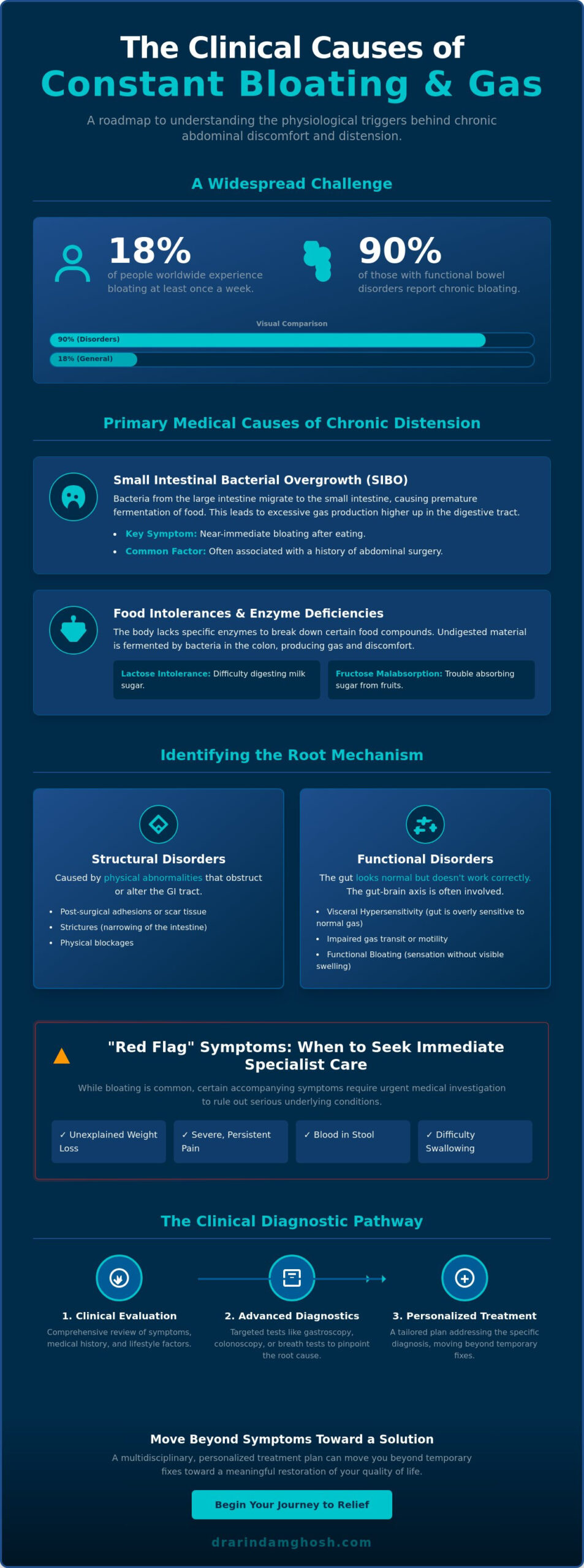
Did you know that nearly 18% of people worldwide experience bloating at least once every week? For those living with functional bowel disorders, that figure climbs to an overwhelming 90%. It’s more than just a minor inconvenience; it’s the physical pain of a distended abdomen and the social anxiety that comes with excessive flatulence. You’ve likely felt the frustration of clothes that fit in the morning but feel painfully tight by dinner, leading you to wonder about the true constant bloating and gas causes.
I understand how isolating these symptoms can feel, but you don’t have to navigate this uncertainty alone. This article provides a clinical roadmap to help you identify the physiological triggers behind your discomfort. We’ll look at the latest diagnostic standards, including the 2026 Rome V criteria, and discuss how a multidisciplinary approach moves beyond basic blood work. By exploring the role of advanced tools like diagnostic gastroscopy or colonoscopy, we can pinpoint the root cause and begin the journey toward restoring your quality of life with both clinical precision and genuine compassion.
Key Takeaways
- Learn to distinguish between temporary post-meal discomfort and chronic abdominal distension caused by physiological gas trapping.
- Explore how clinical triggers like Small Intestinal Bacterial Overgrowth (SIBO) and carbohydrate malabsorption create persistent digestive distress.
- Understand the nuanced difference between structural abnormalities and functional disorders to accurately identify the root mechanism of your symptoms.
- Discover the specific “red flag” symptoms that necessitate immediate specialist intervention to investigate serious constant bloating and gas causes.
- See how a multidisciplinary, personalized treatment plan can move you beyond temporary fixes toward a meaningful restoration of your quality of life.
Table of Contents
- Decoding Constant Bloating and Gas: Beyond Occasional Discomfort
- Primary Medical Causes of Chronic Abdominal Distension
- Structural vs. Functional Disorders: Identifying the Root Mechanism
- The Clinical Diagnostic Pathway: Moving from Symptoms to Solutions
- Restoring Quality of Life through Expert Gastrointestinal Care
Decoding Constant Bloating and Gas: Beyond Occasional Discomfort
Most individuals have experienced the temporary discomfort of a heavy meal, but for many, this sensation isn’t a rare occurrence. It’s a persistent, daily challenge that impacts every aspect of their routine. Distinguishing between a transient reaction to certain foods and chronic abdominal distension is the first vital step in addressing constant bloating and gas causes. While occasional gas is a natural byproduct of digestion, persistent symptoms can significantly erode your quality of life, leading to social withdrawal and physical distress. Functional bloating is a specific condition where the abdomen feels full without visible swelling.
When these symptoms become a regular part of your life, they’re no longer just a minor inconvenience. They’re a clinical signal that the complex systems within your gut are out of balance. My approach focuses on moving beyond surface-level symptoms to find the physiological root of the problem. This ensures that we aren’t just managing discomfort, but rather working toward a lasting solution that restores your sense of well-being and confidence.
The Science of Intestinal Gas Production
Gas enters the gastrointestinal tract through two primary pathways: aerophagia, which is the swallowing of air during eating or drinking, and intraluminal production. Inside the gut, your microbiome performs the essential task of fermenting undigested carbohydrates, releasing gases like hydrogen and methane. Understanding abdominal bloating involves recognizing how the body normally manages these gases. In a healthy system, gas is efficiently cleared through absorption into the bloodstream or expulsion. However, when these mechanisms are disrupted, gas becomes trapped, leading to the painful pressure you experience.
When Bloating Becomes a Clinical Indicator
In a medical context, we define bloating as “chronic” based on its frequency and duration. If symptoms occur at least one day per week over a period of several months, it warrants a comprehensive clinical evaluation. There’s also a critical distinction between subjective bloating, which is the internal sensation of pressure, and objective distension, where the abdominal girth visibly increases. For many patients, the issue isn’t an excess of gas but rather visceral hypersensitivity. This means your gut is more sensitive to “normal” gas levels, causing pain that others might not feel. Identifying these constant bloating and gas causes requires looking beyond the surface to understand your unique gut-brain interaction. This methodical approach allows us to create a personalized treatment plan that addresses your specific physiological needs.
Primary Medical Causes of Chronic Abdominal Distension
Identifying the specific triggers for persistent gastrointestinal distress requires a methodical examination of the body’s digestive processes. While many people attribute their discomfort to diet alone, the underlying constant bloating and gas causes are often rooted in complex medical conditions that disrupt the normal flow and breakdown of nutrients. By understanding these clinical triggers, we move from vague discomfort toward a focused, actionable diagnosis. Research into the medical causes of chronic bloating highlights that the interplay between gut motility, enzyme production, and bacterial balance is essential for abdominal comfort.
Small Intestinal Bacterial Overgrowth (SIBO)
SIBO occurs when bacteria that normally reside in the large intestine migrate upward into the small intestine. This relocation leads to premature fermentation of food, which produces excessive gas high in the digestive tract. Unlike general indigestion, SIBO symptoms often include near-immediate bloating after eating and significant changes in bowel habits. It’s particularly common in patients with a history of abdominal surgery, as structural changes can occasionally slow the natural “cleansing waves” of the gut. If you’ve had previous procedures and now face persistent symptoms, a clinical evaluation like a diagnostic gastroscopy can be a vital step in assessing your upper GI health.
Food Intolerances and Enzyme Deficiencies
When the body lacks the specific enzymes needed to break down certain compounds, the undigested material reaches the colon, where bacteria ferment it. This process is a primary driver of gas production.
- Lactose and Fructose Intolerance: A deficiency in lactase or a limited capacity to absorb fruit sugars can lead to rapid gas production and osmotic shifts that cause distension.
- Celiac Disease and Gluten Sensitivity: These conditions trigger inflammatory responses that damage the intestinal lining, significantly impairing nutrient absorption and gas clearance.
- Exocrine Pancreatic Insufficiency (EPI): If the pancreas doesn’t produce enough digestive enzymes, fats and proteins remain undigested, leading to foul-smelling gas and oily stools.
Beyond enzymes, your gallbladder and pancreas play a critical role in emulsifying fats. When bile flow is obstructed or pancreatic function is sluggish, the resulting malabsorption creates a perfect environment for gas-producing bacteria to thrive. Additionally, hormonal fluctuations can slow gut motility, especially in women, who are twice as likely as men to report these symptoms. This delayed transit time allows gas more time to accumulate, turning a temporary issue into a chronic burden on your quality of life. Understanding these physiological nuances is the key to moving beyond surface-level fixes and achieving lasting relief.
Structural vs. Functional Disorders: Identifying the Root Mechanism
While many patients initially attempt to manage their symptoms through dietary changes, a clinical evaluation often reveals that the root constant bloating and gas causes are either functional or structural in nature. Understanding this distinction is vital for effective treatment. A functional disorder involves a breakdown in how the gut and brain communicate, while a structural issue involves a physical abnormality that may require surgical consideration. My goal is to guide you through this diagnostic process with precision, ensuring we address the actual mechanism of your discomfort rather than just the symptoms.
Functional disorders, now officially termed disorders of gut-brain interaction (DGBIs), affect approximately 33% of adults worldwide. A common driver of distress in these cases is visceral hypersensitivity. In this state, the enteric nervous system becomes overly sensitive to normal digestive processes. You might not actually have an excess of gas, but your brain perceives standard levels of pressure as intense pain or fullness. This heightened sensitivity, combined with conditions like gastroparesis, where the stomach empties too slowly, can make every meal a source of anxiety.
Motility Disorders and “Slow Transit”
The movement of food and gas through your system relies on a complex, coordinated rhythm of muscle contractions. When this rhythm is disrupted, “slow transit” occurs, leading to chronic constipation. This backup isn’t just about infrequent bowel movements; it creates a stagnant environment where gas accumulates and remains trapped. Metabolic conditions, such as diabetes, frequently impact gut speed by damaging the nerves that regulate these contractions. Seeking expert gastrointestinal care allows for a methodical assessment of these motility patterns, helping to determine if a neurological or metabolic issue is hindering your recovery.
Mechanical Issues and Surgical Considerations
From a surgical perspective, we must rule out mechanical obstructions that physically impede the flow of gas and stool. These are often the “hidden” constant bloating and gas causes that standard dietary advice fails to address.
- Adhesions and Strictures: Internal scar tissue from previous surgeries or narrowed sections of the bowel can create partial blockages, causing gas to pool and distend the abdomen.
- Hiatal Hernias: When a portion of the stomach slides into the chest cavity, it can cause frequent belching and a persistent sense of upper abdominal fullness.
- Biliary Issues: Gallstones or gallbladder inflammation can severely disrupt fat digestion. When the gallbladder fails to release bile effectively, the resulting malabsorption leads to significant bloating.
In cases where gallstones are the primary trigger, a Laparoscopic Cholecystectomy can provide a definitive solution. By removing the diseased gallbladder using minimally invasive techniques, we can resolve the mechanical source of your distress. This surgical precision, combined with a compassionate understanding of your journey, is designed to restore your quality of life and help you return to a meaningful, healthy existence.
The Clinical Diagnostic Pathway: Moving from Symptoms to Solutions
Moving from a state of persistent discomfort to one of informed empowerment requires a structured, clinical roadmap. While lifestyle adjustments are often the first line of defense, they can’t address underlying physiological disruptions. A thorough clinical evaluation is the only way to accurately differentiate between various constant bloating and gas causes. This process begins with an unhurried consultation where we review your medical history and symptom patterns with the same precision I apply to surgical planning. By listening to your unique experience, we can determine which advanced diagnostic tools will most effectively pinpoint the root cause of your distress.
The Role of Diagnostic Gastroscopy and Colonoscopy
When symptoms persist despite basic interventions, we must look closer at the internal environment of the gastrointestinal tract. Visualizing the lining of the gut allows us to identify structural anomalies that imaging might miss. A Diagnostic Colonoscopy is an essential tool for identifying inflammation, polyps, or obstructions in the lower GI tract. Similarly, a diagnostic gastroscopy allows me to examine the upper GI tract for hiatal hernias or ulcers that frequently contribute to a sense of premature fullness.
These procedures aren’t just about visualization; they’re about gathering definitive evidence. During these examinations, I often obtain biopsies to rule out microscopic colitis or specific malabsorption issues. This methodical approach ensures that your treatment plan is grounded in scientific fact rather than clinical guesswork. It’s this blend of high-tech precision and personalized care that allows us to restore your quality of life effectively.
Identifying “Red Flag” Symptoms
While most cases of abdominal distension are related to functional disorders or motility issues, certain clinical markers require immediate specialist attention. We refer to these as “red flags” because they may indicate a more serious underlying condition. If you experience unexplained weight loss, it’s a significant signal that your body isn’t processing nutrients correctly or is facing a systemic challenge. In some instances, this can lead to the necessity of gastrointestinal cancer surgery, where early detection is the most critical factor for a successful outcome.
Other vital indicators include a sudden change in bowel habits, the presence of blood in the stool, or severe, localized pain that disrupts your daily routine. If you recognize these patterns alongside constant bloating and gas causes, don’t wait for the symptoms to resolve on their own. Seeking early intervention isn’t about fostering anxiety; it’s about providing the safety and reassurance that comes from a multidisciplinary expert evaluation. If you’re ready to find clarity and move toward a lasting solution, I invite you to schedule a personalized consultation to discuss your symptoms and begin your path to recovery.
Restoring Quality of Life through Expert Gastrointestinal Care
Resolving chronic digestive issues requires more than just masking symptoms with over-the-counter remedies. Once we’ve identified the specific constant bloating and gas causes through our diagnostic roadmap, we move into the most critical phase: restoring your health. My approach is never one-size-fits-all. Instead, I integrate a multidisciplinary strategy that may combine dietary modifications, targeted medical therapies, and, when necessary, advanced surgical interventions. The ultimate goal of care is a return to a meaningful, healthy existence where you no longer have to plan your life around abdominal discomfort.
Modern medicine offers a wealth of options for those facing structural challenges. For instance, if a mechanical obstruction or biliary issue is detected, we utilize minimally invasive techniques that prioritize both clinical success and a rapid return to your daily routine. These procedures, characterized by high-tech precision, allow us to address complex internal issues with minimal disruption to the body. This balanced perspective ensures that we treat the condition effectively while respecting the patient’s recovery journey and emotional well-being.
A Comprehensive Care Philosophy
Choosing a gastrointestinal surgeon in the UAE means accessing a level of expertise that bridges the gap between general medicine and specialized surgical care. My philosophy centers on the “human touch” alongside “robotic precision,” ensuring that every patient feels heard and supported. We don’t just look for a quick fix; we develop long-term management strategies for chronic digestive wellness. This comprehensive care model is designed to lead you from a state of uncertainty toward a state of informed empowerment, where you feel confident in the health of your digestive system.
Taking the Next Step Toward Relief
The transition from chronic pain to lasting relief begins with a single, unhurried consultation. To make the most of our time together, I encourage patients to come prepared with a few key items that help clarify their clinical history.
- Symptom Logs: Document when your bloating occurs and its relationship to specific meals or daily activities.
- Food Diaries: A detailed record of what you eat can help us identify hidden dietary triggers for constant bloating and gas causes.
- Previous Results: Bring any past blood work, imaging reports, or test results to provide a complete clinical picture from the start.
Moving toward a clear treatment plan is a powerful step in reclaiming your quality of life. By combining advanced technology with a compassionate, multidisciplinary approach, we can move past the social embarrassment and physical pain of chronic bloating. Together, we’ll build a pathway to a healthier, more comfortable future that allows you to engage fully with the world around you.
Reclaiming Your Digestive Wellness
Persistent abdominal discomfort shouldn’t be your daily reality. Throughout this guide, we’ve explored how understanding the physiological triggers, from motility disorders to mechanical obstructions, is the first step toward lasting relief. It’s clear that identifying the specific constant bloating and gas causes requires a shift from self-diagnosis to a methodical, clinical evaluation. By moving beyond temporary fixes and embracing a multidisciplinary approach, you can finally address the root mechanism of your symptoms.
With over 25 years of specialist gastrointestinal experience, I’m dedicated to providing a path forward that combines robotic-assisted precision with a compassionate, human touch. Whether your condition requires advanced laparoscopic surgery or a personalized medical management plan, the focus remains on restoring your well-being. I invite you to schedule a comprehensive consultation with Dr. Arindam Ghosh to resolve your digestive concerns. You don’t have to live with the burden of physical pain and social anxiety. Let’s work together to restore your quality of life and digestive health.
Frequently Asked Questions
Is constant bloating and gas a sign of something serious?
Persistent symptoms can signal serious underlying issues, though many cases are related to functional disorders. We look for “red flags” such as unexplained weight loss, anemia, or blood in the stool. These markers, alongside constant bloating and gas causes like mechanical obstructions or inflammatory conditions, require a multidisciplinary diagnostic approach to ensure nothing critical is overlooked during your clinical evaluation.
Can SIBO cause permanent damage if left untreated?
SIBO typically doesn’t cause permanent structural damage, but it can lead to chronic malabsorption and significant nutritional deficiencies if ignored. Over time, the bacterial imbalance disrupts the delicate lining of the small intestine, which may hinder your ability to absorb vital vitamins like B12. Early intervention is key to preventing long-term impacts on your overall wellness and restoring your digestive rhythm with clinical precision.
How do I know if my bloating is caused by my diet or a medical condition?
Distinguishing between dietary reactions and medical conditions requires tracking the consistency and timing of your symptoms. If bloating occurs regardless of what you eat, or if it’s accompanied by severe pain and altered bowel habits, it’s likely a medical issue rather than simple food intolerance. A specialist evaluation helps move beyond guesswork to identify the true physiological drivers behind your discomfort and physical pain.
What is the most effective test for chronic bloating?
There isn’t a single “most effective” test because the diagnostic pathway depends on your specific symptoms and history. We often utilize hydrogen and methane breath tests to detect bacterial overgrowth or malabsorption issues. For structural concerns, imaging or a diagnostic gastroscopy provides the most definitive look at the upper gastrointestinal tract, ensuring we find the precise root cause of your distress through modern medical advancements.
Can stress alone cause my stomach to be constantly gassy?
Stress can certainly cause your stomach to feel constantly gassy by disrupting the complex gut-brain interaction. When you’re under pressure, your body releases hormones that can slow down or speed up gut motility, leading to trapped gas and visceral hypersensitivity. While stress is a significant factor, we always perform a clinical check to ensure a physical condition isn’t compounding the problem, providing you with a balanced perspective.
What happens if a colonoscopy doesn’t find the cause of my bloating?
If a colonoscopy returns normal results, it successfully rules out “organic” diseases like inflammatory bowel disease or colorectal cancer. This outcome is actually a positive step, as it allows us to focus our multidisciplinary approach on functional disorders or motility issues. We then transition to more specialized tests, such as transit studies or breath testing, to understand how your gut is functioning and move toward a state of informed empowerment.
Are there surgical solutions for chronic bloating and gas?
Surgical solutions are highly effective when constant bloating and gas causes are linked to structural or mechanical abnormalities. For example, a laparoscopic cholecystectomy can resolve bloating caused by gallstones, while other procedures address hiatal hernias or post-surgical adhesions. These minimally invasive techniques focus on correcting the mechanical breakdown in your digestive system to restore your long-term quality of life with robotic precision.
How long does it take to see results after starting a GI treatment plan?
The timeline for relief depends on the underlying cause, but many patients notice improvements within two to four weeks of starting a targeted plan. Treating bacterial overgrowth often shows faster results than managing complex functional disorders, which may take several months of personalized care to fully stabilize. Consistency in your treatment plan is the most reliable way to achieve a meaningful, healthy existence and lasting digestive relief.